
Middle-school civics inquiry
Trace Public Requests and Government Decisions
Is this the right resource?
- Audience / fit
- Middle-school civics
- Teaching or planning target
- Help students trace who asks a government institution to act, distinguish a proposed bill from an enacted law, and explain what the sources leave open. Includes models, practice, checks and focused next tasks.
- Essential prerequisites
- Read or listen to short attributed source passages. Explain an answer using an accurate source detail. Order dated documents with supplied context.
- Preparation
- Read Start Here and select source pages; preparation time depends on the selected route.
- Use time
- Two 35–45-minute lessons Planning estimate; adjust for your class.
- Materials
- Selected attributed source passages and context, student tasks, paper and pencil or an established response method; the separate teacher guide.
- What to print
- Use the stage-specific student choices below and the matching teacher guide. Give independent, new-evidence and later-assessment pages only at their intended stage.
Start teaching
Context and initial source cards · PDF (4 pages)
Lessons and guided practice · PDF (3 pages)
Independent inquiry · PDF (2 pages)
Read the starting and print guide · PDF (2 pages)
Complete teacher guide, answers and alternatives · PDF (5 pages)
Start with the context and initial source cards plus the starting task. Teach with the guided-practice selection, then give the independent inquiry. Keep the later source cards and later-revisit prompt unseen until that assessment. A request, a proposed bill and an enacted law are different kinds of evidence; none alone establishes the effect on every group.
Browse free resources · Start the Hetch Hetchy inquiry
Help students trace who asks a government institution to act, distinguish a proposed bill from an enacted law, and explain what the sources leave open. Includes models, practice, checks and focused next tasks.
For selected Grades 6–8 learners who can read or listen to short attributed sources and explain an answer with a detail. All files are free; no account or payment is required.
Teach the civic distinction
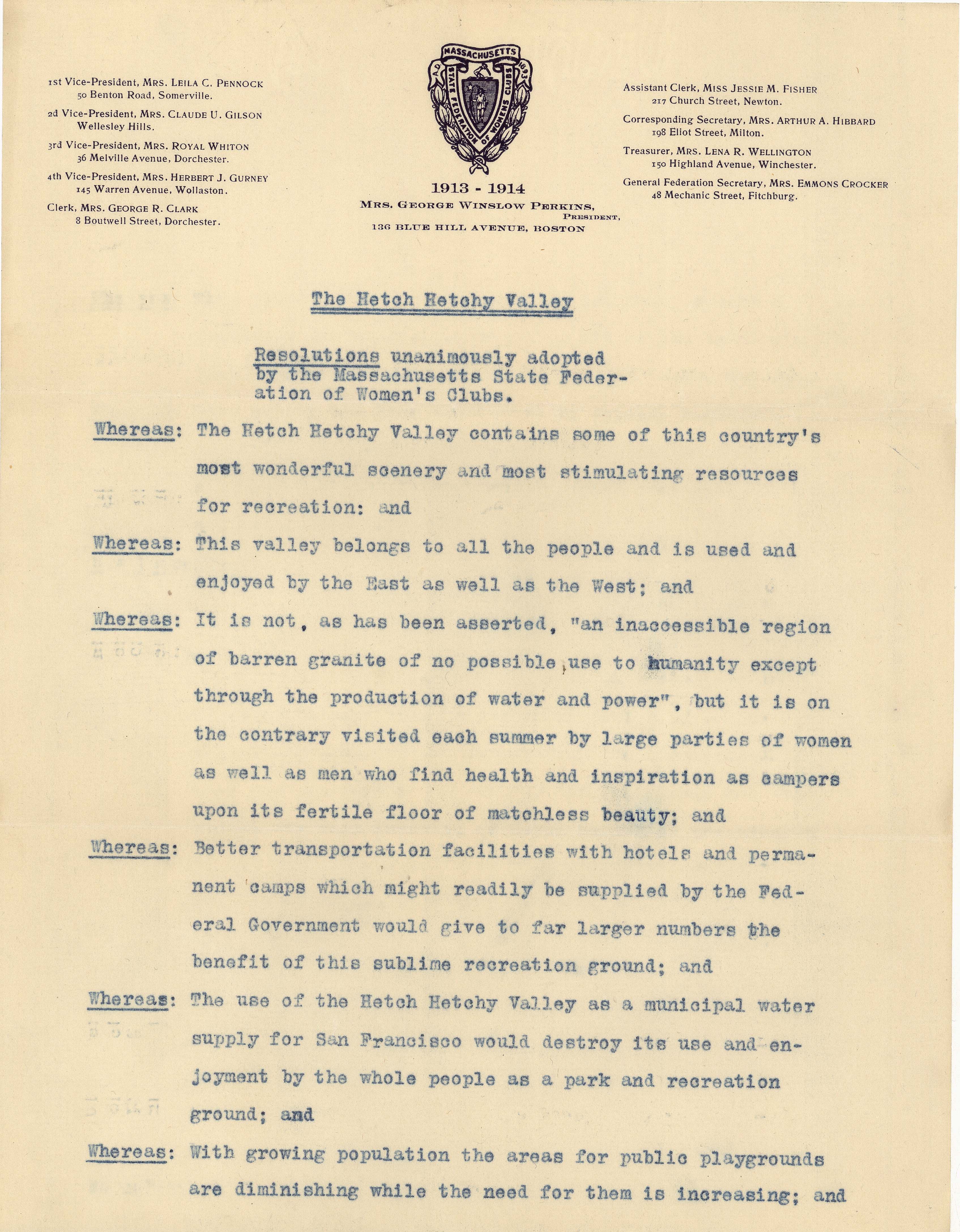
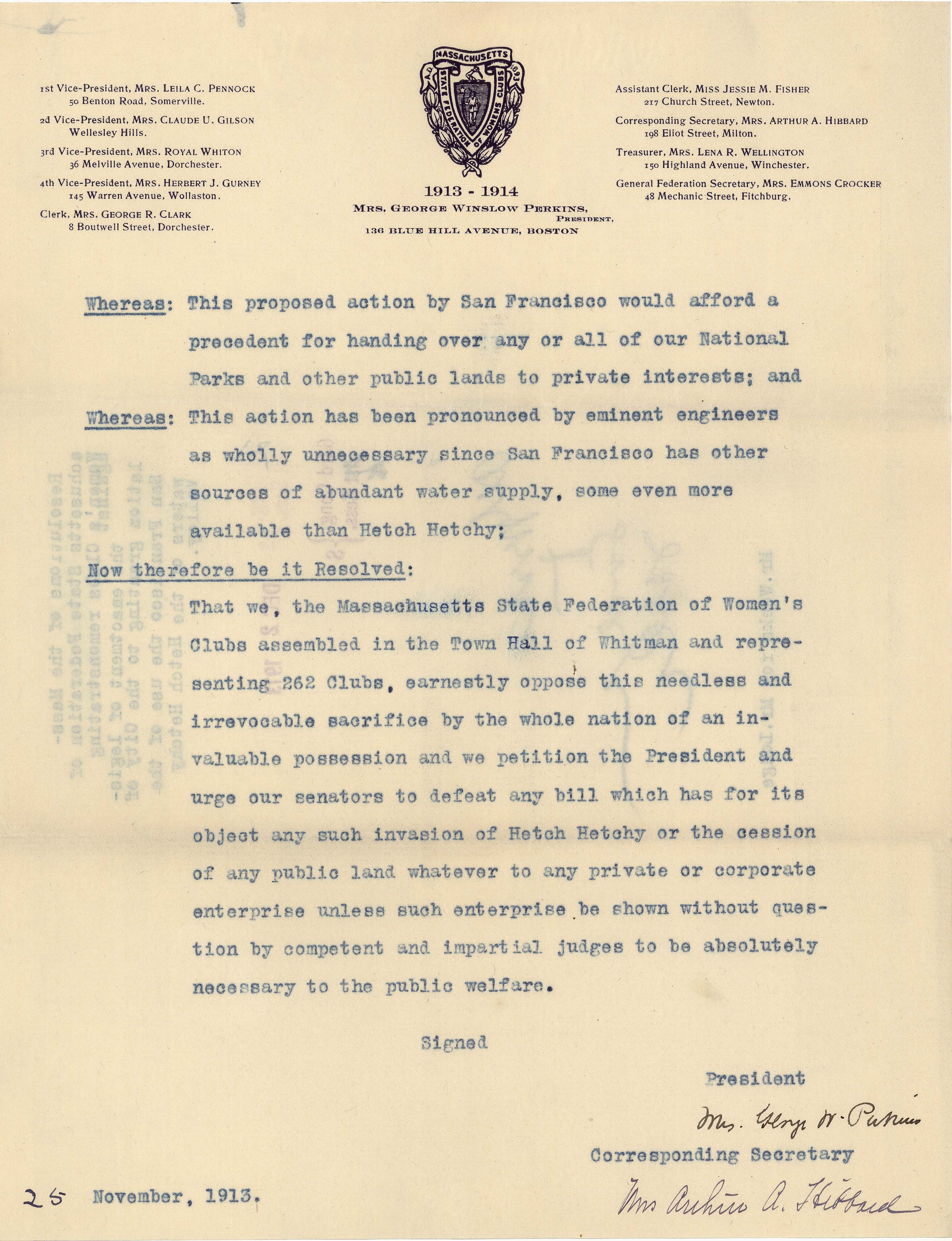
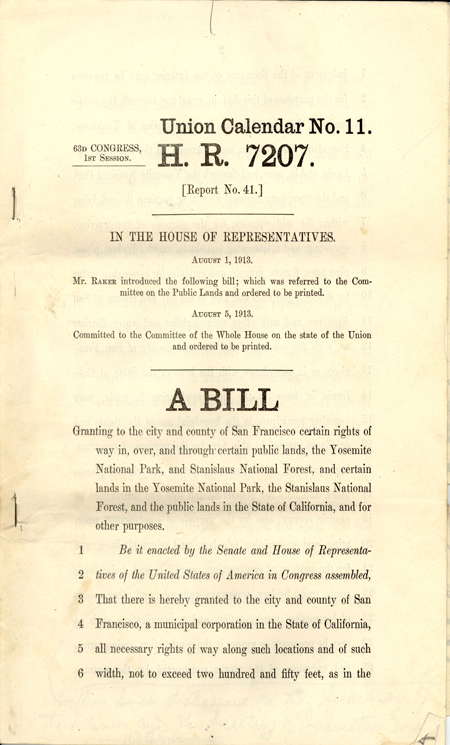
Model a request about an existing permit, compare executive and legislative requests, then read an August 1913 proposed bill beside the December approved Act. Students explain the legal grant and map-approval condition without assuming construction occurred. Two 35–45 minute lessons are planning estimates.
Choose a stage and format
Give only the stage being used. Keep later tasks and all teacher keys with the teacher until needed.
- Context and initial source cards · PDF (4 pages) · Context and initial source cards · editable Word · Context and initial source cards · browser copy
- Reserved source cards for later assessment · PDF (1 page) · Reserved source cards for later assessment · editable Word · Reserved source cards for later assessment · browser copy
- Starting task · PDF (1 page) · ·
- Lessons and guided practice · PDF (3 pages) · ·
- Independent inquiry · PDF (2 pages) · ·
Formats and all files
Complete reference files may include teaching, independent tasks, later evidence or teacher answers. Keep them with the teacher; use the separate stage selections above for handouts.
Student materials
Begin with the starting task and context packet. Use the independent Merced inquiry and separate Widows and Orphans check after teaching. Give only the selected next task; save the Massachusetts follow-up and Maine revisit for later.
- Hetch Hetchy context and sources: Printable PDF · Adaptable HTML text
- Trace a first public request: Printable PDF · Adaptable HTML text
- Requests bills and government decisions: Printable PDF · Adaptable HTML text
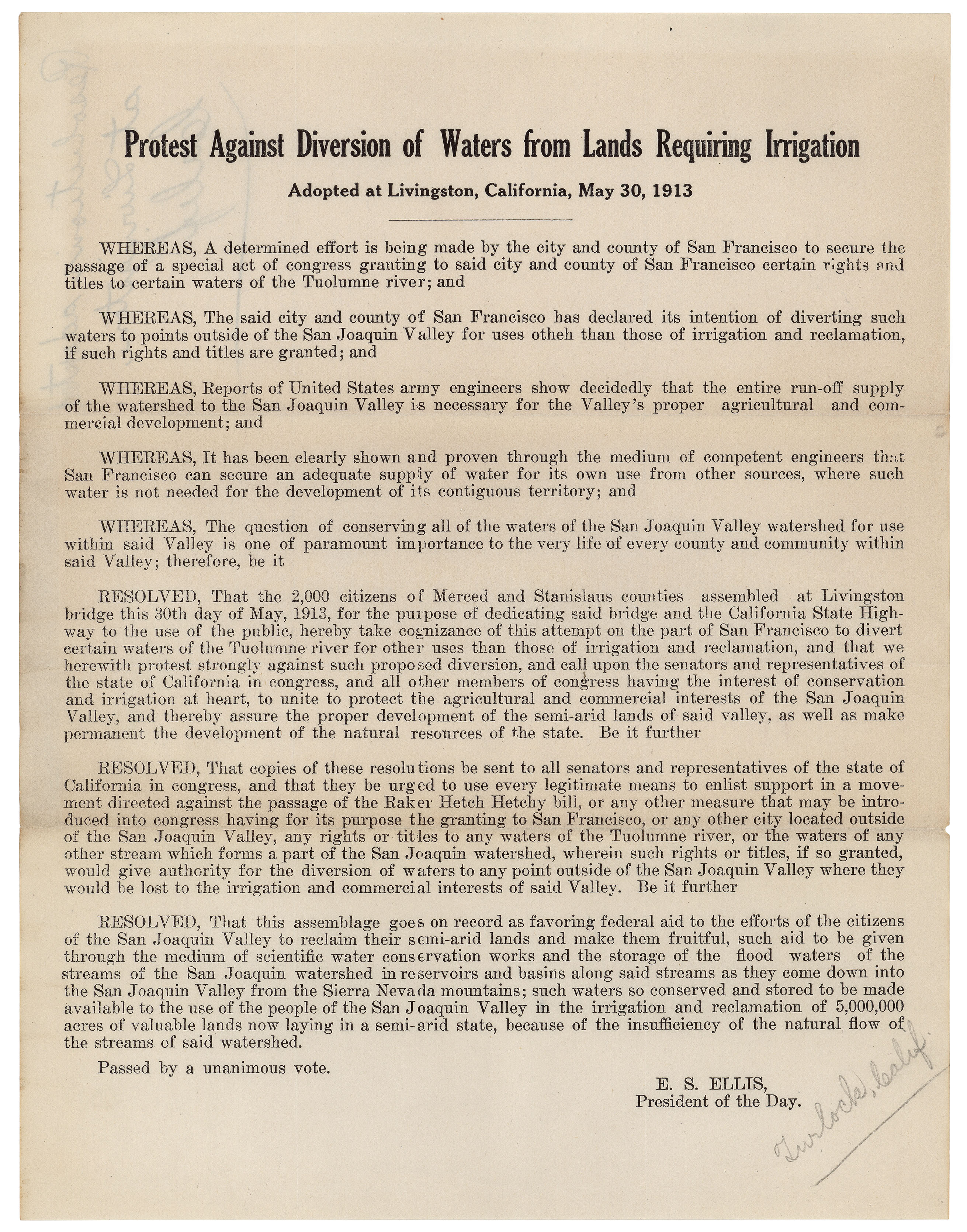
- Follow a request about irrigation: Printable PDF · Adaptable HTML text
- Check a request for a Senate vote: Printable PDF · Adaptable HTML text
- Choose a focused civics practice task: Printable PDF · Adaptable HTML text
- Recheck two requested government actions: Printable PDF · Adaptable HTML text
- Revisit a request after House passage: Printable PDF · Adaptable HTML text
Teacher preparation answers and response guidance
Additional files · teacher preparation
Use the separate stage choices above for student handouts. Complete selections may include later tasks or answers.
Start a Hetch Hetchy civics inquiry: Printable PDF · Adaptable HTML textAdditional files · teacher preparation
Use the separate stage choices above for student handouts. Complete selections may include later tasks or answers.
Teach and respond to the civics inquiry: Printable PDF · Adaptable HTML textAdditional files · teacher preparation
Use the separate stage choices above for student handouts. Complete selections may include later tasks or answers.
Plan the next civics teaching step: Printable PDF · Adaptable HTML textAdditional files · teacher preparation
Use the separate stage choices above for student handouts. Complete selections may include later tasks or answers.
Source credits and classroom copying: Printable PDF · Adaptable HTML text
Original sources
The source packet supplies readable paraphrases and exact short excerpts. Full scans and the government PDF are available here and in the classroom ZIP, so the tasks do not require archive-site access.
Additional files · teacher preparation
Use the separate stage choices above for student handouts. Complete selections may include later tasks or answers.
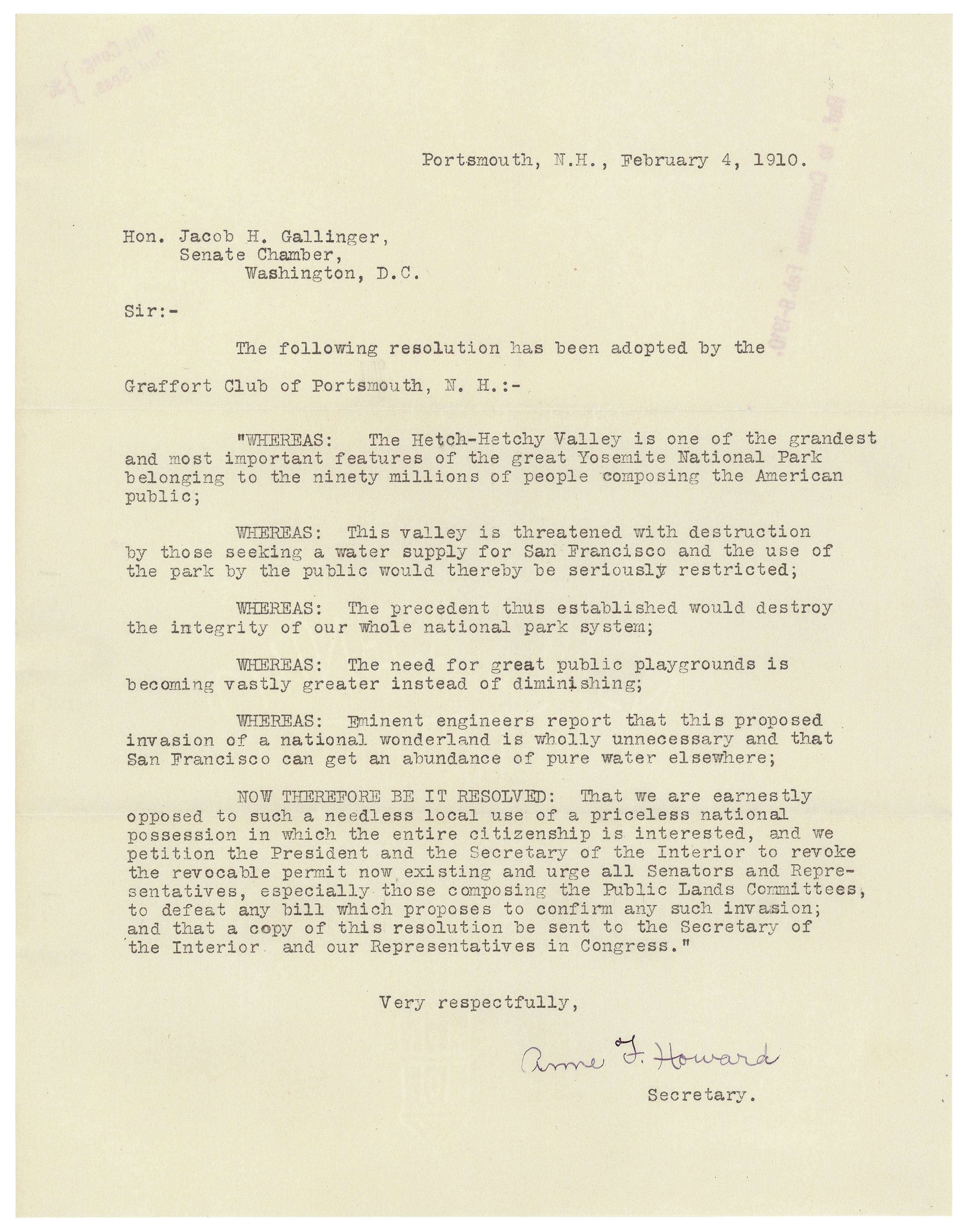
Graffort Original 1Additional files · teacher preparation
Use the separate stage choices above for student handouts. Complete selections may include later tasks or answers.
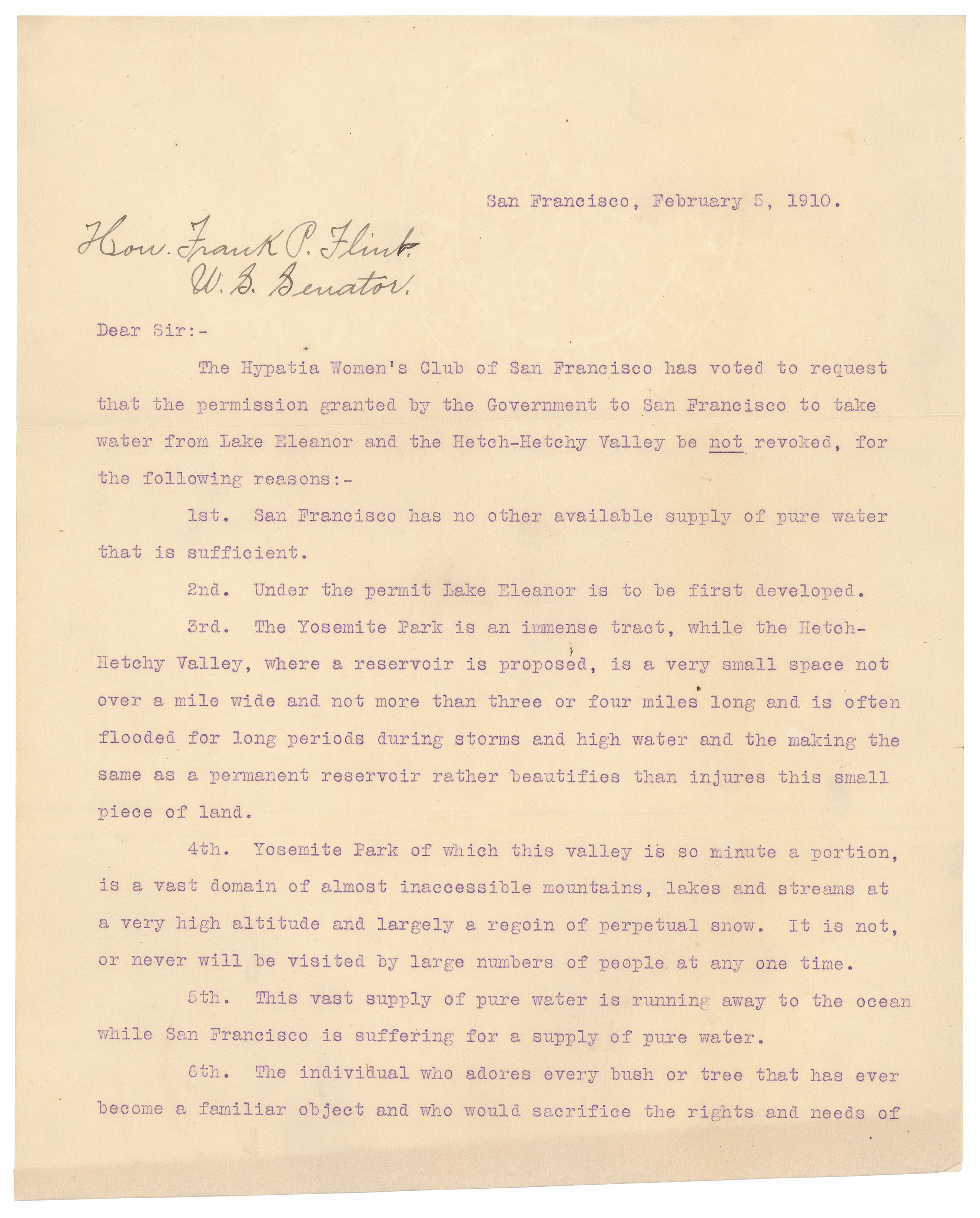
Hypatia Original 1Additional files · teacher preparation
Use the separate stage choices above for student handouts. Complete selections may include later tasks or answers.
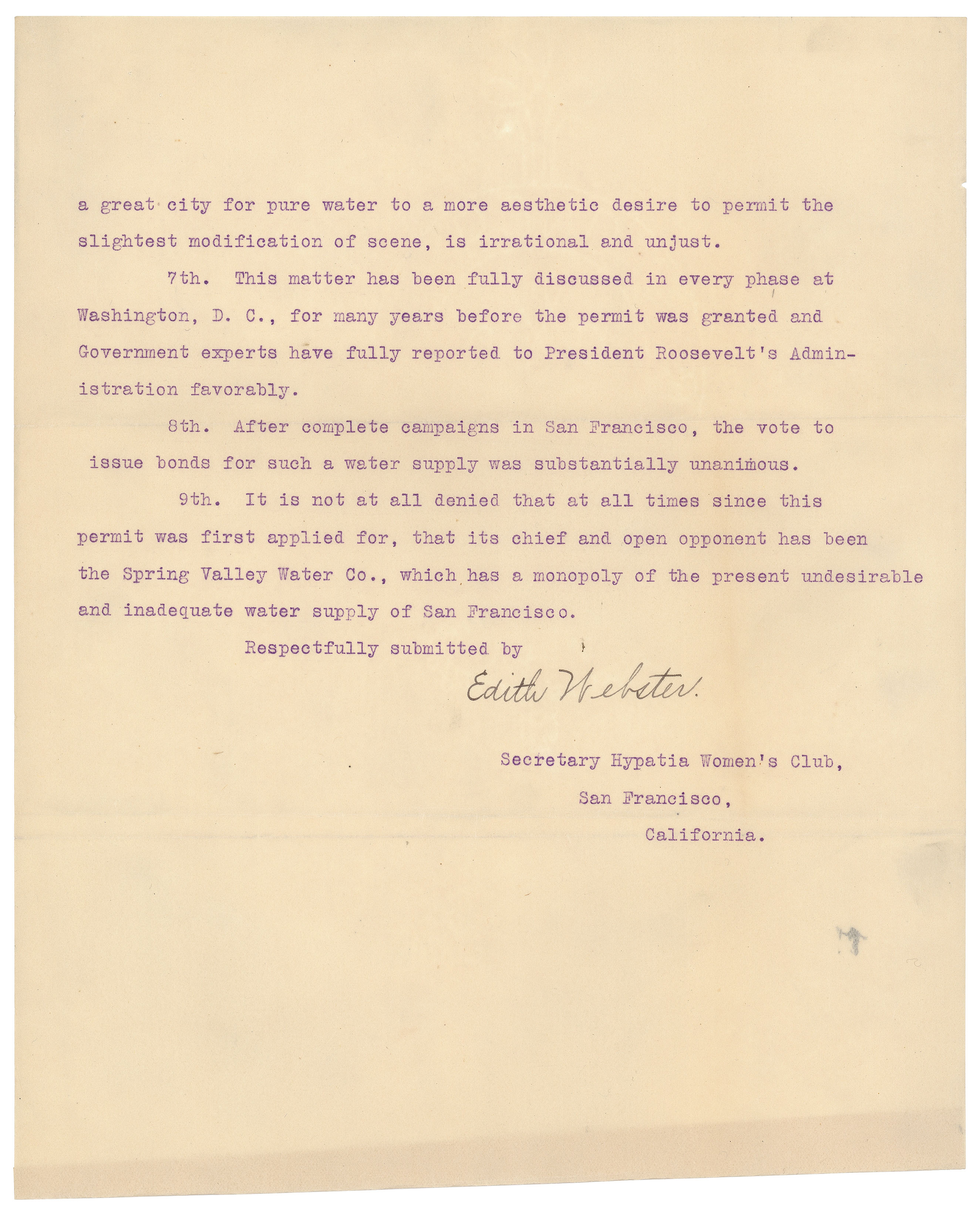
Hypatia Original 2Additional files · teacher preparation
Use the separate stage choices above for student handouts. Complete selections may include later tasks or answers.
Maine Original 1Additional files · teacher preparation
Use the separate stage choices above for student handouts. Complete selections may include later tasks or answers.
Massachusetts Original 1Additional files · teacher preparation
Use the separate stage choices above for student handouts. Complete selections may include later tasks or answers.
Massachusetts Original 2Additional files · teacher preparation
Use the separate stage choices above for student handouts. Complete selections may include later tasks or answers.
Merced Original 1Additional files · teacher preparation
Use the separate stage choices above for student handouts. Complete selections may include later tasks or answers.
Raker ActAdditional files · teacher preparation
Use the separate stage choices above for student handouts. Complete selections may include later tasks or answers.
Raker Bill OriginalAdditional files · teacher preparation
Use the separate stage choices above for student handouts. Complete selections may include later tasks or answers.
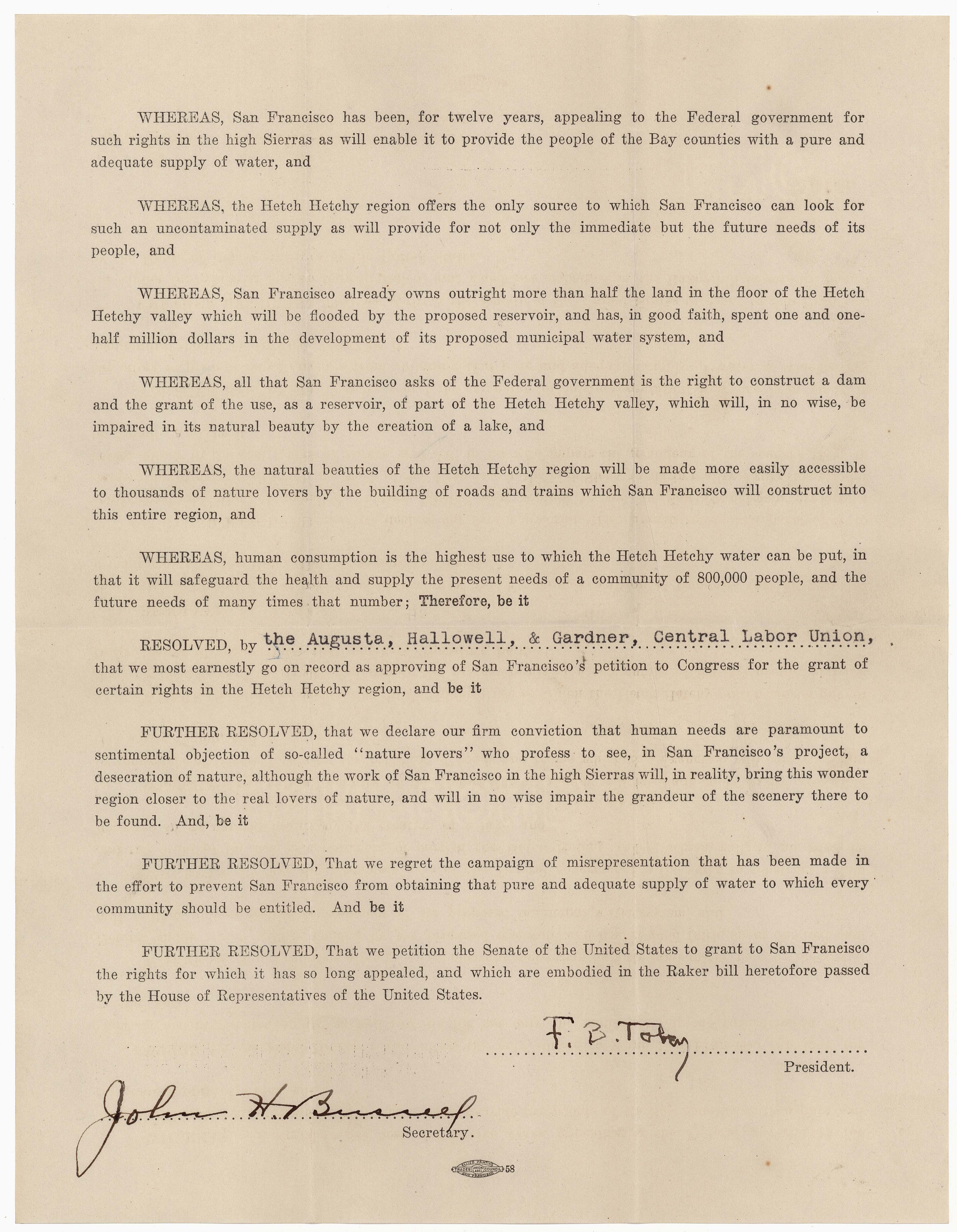
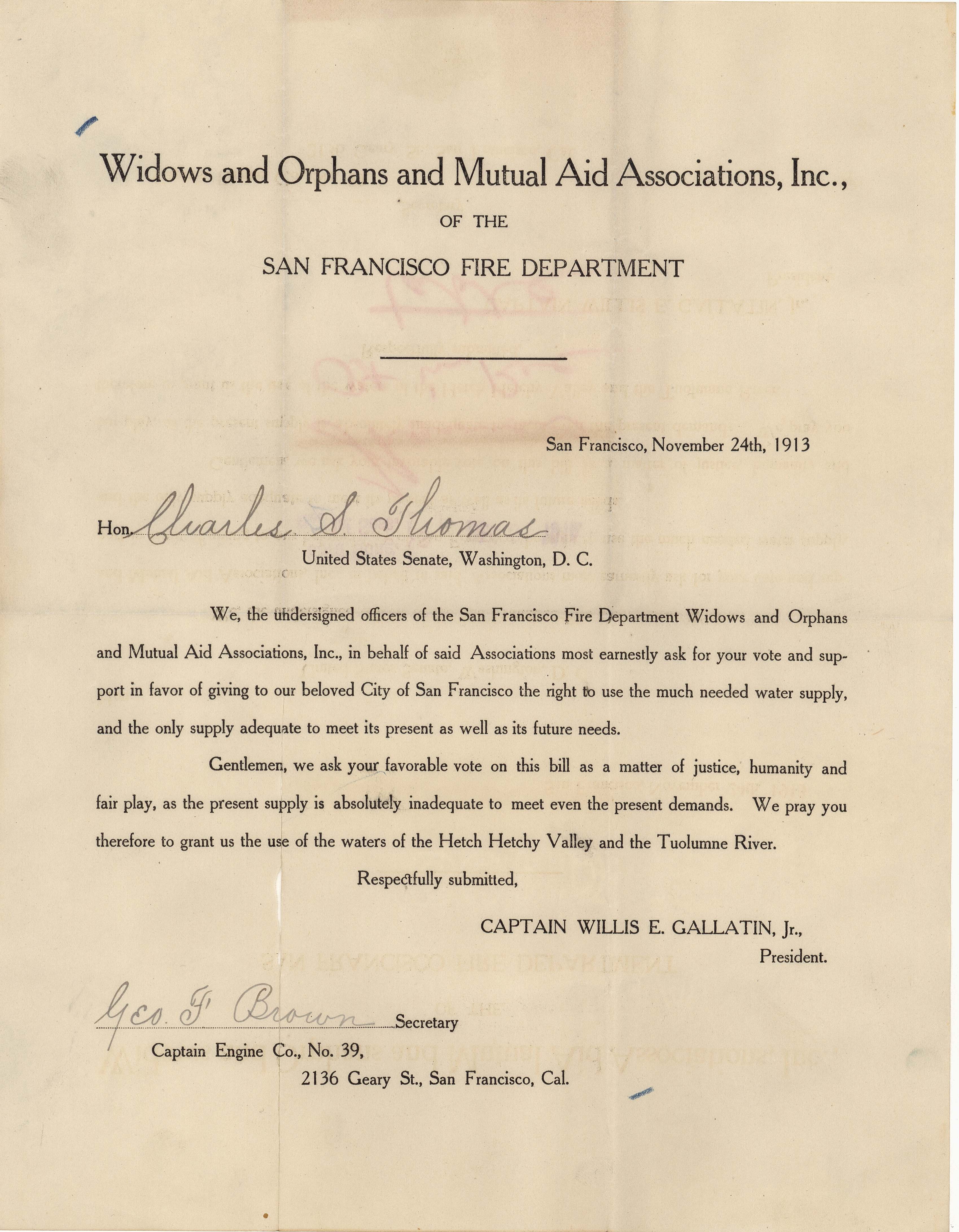
Widows Original 1
Related teaching
- Read Maps and Explain Change with Evidence — Use historical maps when the next goal is observing geographic change and explaining it with evidence; those tasks assess a different demand.
- Evaluate a Web Source’s Credibility — Use source-credibility teaching when learners need help attributing a claim or explaining what a source can support.
- Distinguish Claims, Reasons, and Relevant Evidence — Use claim, reason and evidence teaching when learners need to separate a writer’s argument from a documented government action.
- Check for Understanding and Choose the Next Step — Use the civics guide’s institution, action, status and evidence-limit criteria to plan a next task and recheck.
- Substitute Handoff and Independent-Work Pack — Hand off familiar independent work only after the civic terms and local work routines have been taught; keep teacher keys separate.
- Clear Directions and Language-Support Pack — Choose neutral read-aloud, clear steps or spoken responses while leaving the institution and status choices to the learner.
- Hetch Hetchy Civic Inquiry — Choose the starting task, teaching sequence and complete classroom collection.
Sources and classroom use
Additional files · teacher preparation
Use the separate stage choices above for student handouts. Complete selections may include later tasks or answers.
The six National Archives petition and resolution records state Use: Unrestricted. The congressional bill and enacted statute are federal government works. The packet identifies originals, dates and item records; its source cards are attributed paraphrases with short exact excerpts. Keep credits with classroom copies. Read source credits and reuse guidance.
Selected petitions do not represent everyone affected, and none supplies an Indigenous-authored position on this bill. National Park Service background supplies limited context about longstanding Indigenous use of the valley. A request does not prove official action; an authorization does not prove construction or benefits. Classroom effectiveness has not been established.
Original teaching text may be copied or adapted for classroom use under the Terms of Use. Keep answers with the teacher. Report a resource issue.
Share this resource
Report a resource issue · Open an issue email
Do not include student names or identifiable work in an issue report. Page revision: 15 October 2026; classroom files retain their own editions.