Teaching need

Inclusion and Accessibility

Plan for physical, sensory, communication, participation, language, and document access.

Search the full library

Choose a route

Use the question that best matches the decision in front of you; the labels and filters below narrow the library without implying that one method fits every context.

Suggested starting sequence

  1. Inclusive Learning Spaces: A Practical Access Check

    Audit one upcoming task for physical, sensory, communication, participation, instructional, and digital barriers.

  2. UDL in Action: Incorporating Universal Design for Learning into Your Lesson Plans

    Use UDL to add purposeful access options while preserving the same objective and evidence.

  3. Dyslexia and Memory: What Teachers Can Observe and Support

    When reading or copying demands create difficulty, observe the task, check required supports, and avoid diagnostic inference.

Recent hub updates

Updated July 19, 2026: added a decision aid, starting sequence, resource filters, preparation labels, and a subtopic map.

Recently expanded guides:

14 resources

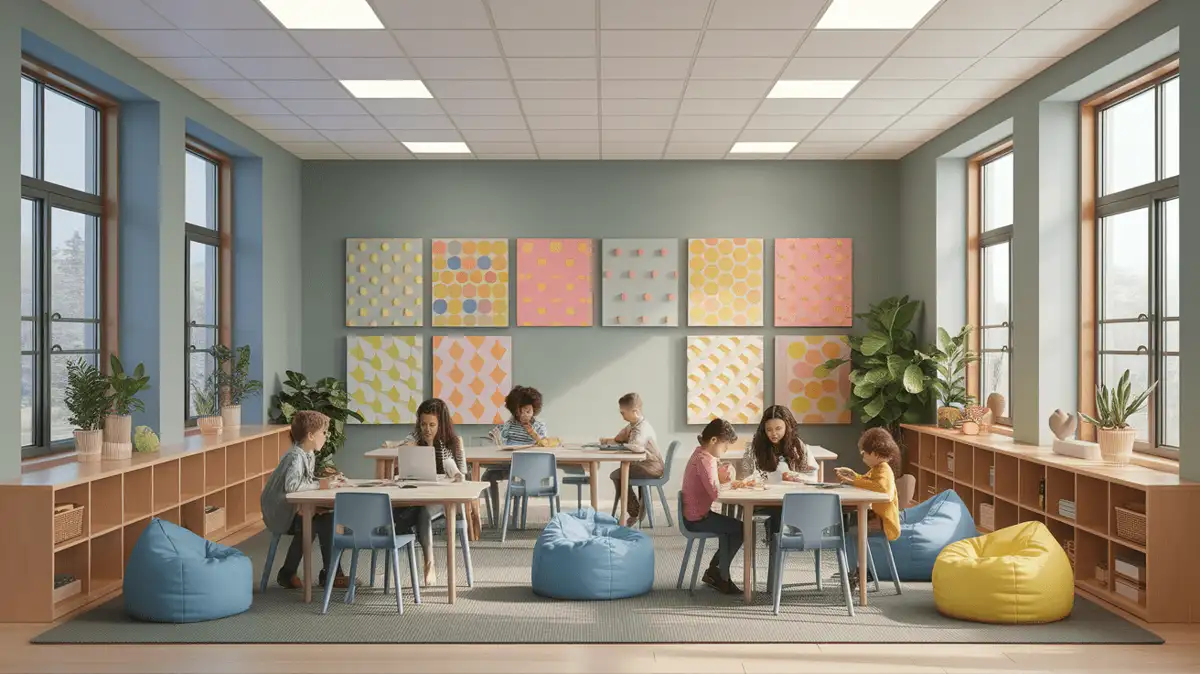
Illustration for Classroom Acoustics: Listening Demands, Sound Sources, and Access Options

Inclusion and Accessibility · Environment audit · 20 minutes

Classroom Acoustics: Listening Demands, Sound Sources, and Access Options

Audit classroom sound sources, listening demands, equipment, seating, and quiet options before choosing an acoustic or sensory adjustment for a specific task.

Best for: Teachers reviewing classroom listening conditions

Next action: Measure or note the sound during one listening task, identify the main interference, and test one reversible adjustment.

Access and support

Illustration for Co-Teaching Models in Inclusive Education: A Practical Guide

Inclusion and Accessibility · Model comparison guide · 20 minutes

Co-Teaching Models in Inclusive Education: A Practical Guide

Compare six co-teaching models by lesson purpose, teacher roles, grouping, planning time, and access needs before selecting a structure for one lesson segment.

Best for: Co-teachers planning shared instruction

Next action: Choose one lesson segment and write each teacher’s instructional role, student grouping, and evidence-collection responsibility.

Access and support

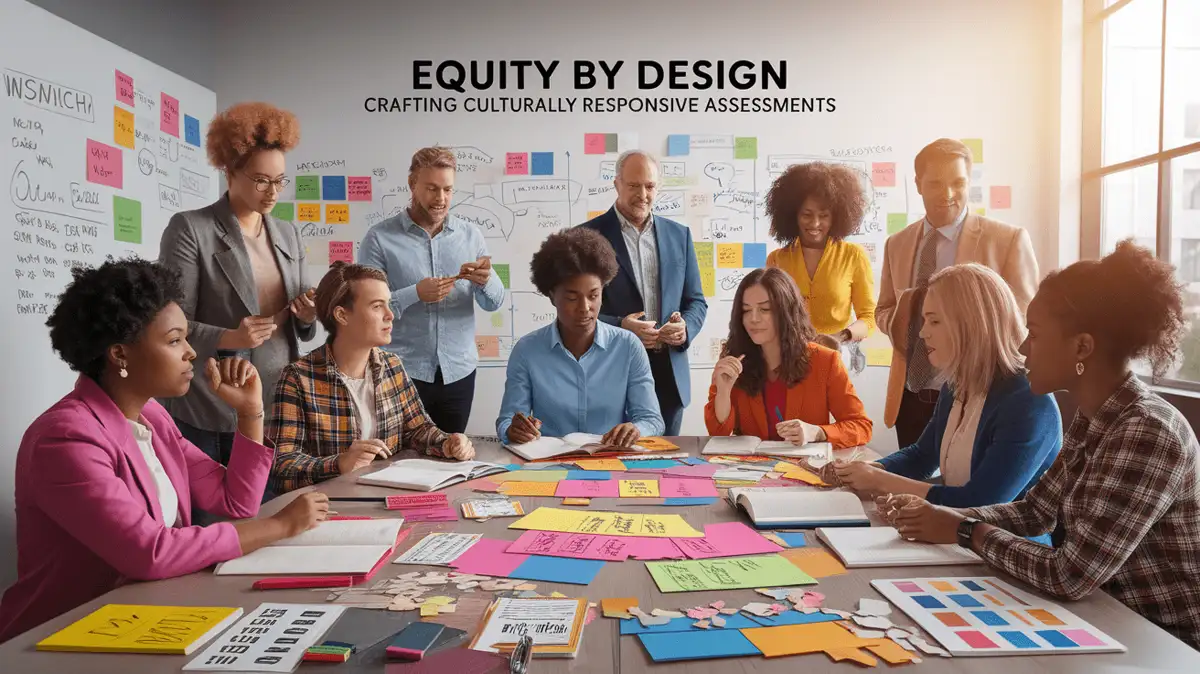
Illustration for Culturally Responsive Assessment Design: Construct, Access, and Scoring Checks

Inclusion and Accessibility · Assessment audit · 20–30 minutes

Culturally Responsive Assessment Design: Construct, Access, and Scoring Checks

Audit an assessment for construct clarity, cultural and language demands, source context, response options, scoring criteria, and opportunities to revise.

Best for: Teachers reviewing assessment access and validity

Next action: Take one assessment prompt and separate the intended construct from every language, context, and format demand it adds.

Assessment and evidence

Illustration for Culturally Responsive Lesson Plans: Sources, Representation, and Access

Inclusion and Accessibility · Lesson-planning audit · 30 minutes

Culturally Responsive Lesson Plans: Sources, Representation, and Access

Review objectives, sources, participation, language, examples, and assessment without assigning preferences by identity or requiring personal cultural disclosure.

Best for: Teachers revising an existing unit

Next action: Audit one lesson source and replace one unsupported claim about a community with a traceable source or an explicit uncertainty.

Access and support

Illustration for Culturally Sustaining Pedagogy: Planning Audit and Worked Example

Inclusion and Accessibility · Planning audit and worked example · 30 minutes

Culturally Sustaining Pedagogy: Planning Audit and Worked Example

Audit curriculum, participation, language, and assessment for sustaining students’ communities without cultural tokenism or asking students to be representatives.

Best for: Teachers revising one existing unit

Next action: Audit one unit’s sources, participation, language, and assessment, then replace one unsupported cultural claim with a traceable source or an explicit unresolved question.

Access and support

Illustration for Differentiated Instruction: Targets, Barriers, Supports, and Evidence

Inclusion and Accessibility · Decision guide · 20 minutes

Differentiated Instruction: Targets, Barriers, Supports, and Evidence

Choose a differentiated response after identifying the learning target and barrier, then vary content, process, product, or support without fixed ability labels.

Best for: Teachers adapting one lesson for varied needs

Next action: Identify one barrier in an upcoming task and add one temporary support or route while keeping the objective and evidence clear.

Learner participation and practice

Illustration for Dyslexia and Memory: What Teachers Can Observe and Support

Inclusion and Accessibility · Scope guide and decision table · 15 minutes

Dyslexia and Memory: What Teachers Can Observe and Support

Distinguish dyslexia from assumptions about memory, then match low-risk classroom supports to observed reading, copying, vocabulary, and task demands.

Best for: Teachers reviewing the demands of an upcoming task

Next action: Review one upcoming task for reading load, memory load, and the accommodation or ordinary support required before the student begins.

Access and support

Illustration for Inclusive Classroom Environments: Access, Participation, and Support Checks

Inclusion and Accessibility · Inclusion audit · 20 minutes

Inclusive Classroom Environments: Access, Participation, and Support Checks

Review physical access, communication, participation, materials, relationships, and support routes before selecting a classroom-environment change.

Best for: Teachers reviewing whole-class access

Next action: Trace one common lesson from entry to exit and note the first barrier in space, communication, participation, or materials.

Access and support

Illustration for Inclusive Learning Spaces: A Practical Access Check

Inclusion and Accessibility · Access checklist · 10 minutes

Inclusive Learning Spaces: A Practical Access Check

Use a 10-minute access check covering physical, sensory, communication, participation, instructional, and digital barriers before changing an activity.

Best for: Teachers reviewing an upcoming lesson

Next action: Review one upcoming task across all six access areas and address the first barrier before adding optional engagement features.

Access and support

Illustration for Neurodiversity in Education: Variation, Barriers, Supports, and Limits

Inclusion and Accessibility · Scope and inclusion overview · 20 minutes

Neurodiversity in Education: Variation, Barriers, Supports, and Limits

Use precise, non-diagnostic language to understand neurodiversity, individual variation, environmental barriers, support choices, and limits on classroom inference.

Best for: Educators reviewing classroom access

Next action: Review one task for an avoidable sensory, communication, executive, or response barrier and check the student’s plan before individual changes.

Access and support

Illustration for Safe and Inclusive Science Labs: Hazards, Access, Supervision, and Alternatives

Inclusion and Accessibility · Lab planning checklist · 30 minutes

Safe and Inclusive Science Labs: Hazards, Access, Supervision, and Alternatives

Audit a science lab for hazards, access, communication, equipment, supervision, emergency procedures, and alternatives before students begin practical work.

Best for: Science teachers preparing practical work

Next action: Review one lab step by step, identify each hazard and access barrier, and confirm the approved control or alternative with responsible staff.

Access and support

Illustration for Supporting Neurodiverse Learners: Barriers, Plans, and Access Checks

Inclusion and Accessibility · Support decision guide · 20 minutes

Supporting Neurodiverse Learners: Barriers, Plans, and Access Checks

Review task, environment, communication, social, and technology demands before selecting an ordinary support or consulting an individualized plan and team.

Best for: Teachers reviewing access for neurodivergent learners

Next action: Choose one upcoming task and identify the first barrier, one ordinary support, and the point where the student’s plan or team must guide the decision.

Access and support

Illustration for Trauma-Informed Teaching: Classroom Practices, Boundaries, and Referral

Inclusion and Accessibility · Scope and practice guide · 20 minutes

Trauma-Informed Teaching: Classroom Practices, Boundaries, and Referral

Use predictable, choice-aware classroom practices while avoiding diagnosis, forced disclosure, trauma simulation, lowered expectations, or replacement of qualified support.

Best for: Teachers reviewing ordinary classroom routines

Next action: Review one routine for surprise, public disclosure, coercion, and access, then confirm the private school support route students can use.

Access and support

Illustration for UDL in Action: Incorporating Universal Design for Learning into Your Lesson Plans

Inclusion and Accessibility · UDL planning guide · 20–30 minutes

UDL in Action: Incorporating Universal Design for Learning into Your Lesson Plans

Apply UDL by clarifying the objective, identifying access barriers, and planning purposeful options for engagement, representation, and action or expression.

Best for: Teachers revising a lesson for broader access

Next action: Review one lesson for a single access barrier and add an option that preserves the same objective and evidence requirement.

Access and support