
Ready-to-Use Lesson Ideas
All About Me Lesson Plan: Safe Sharing, Choice, and Belonging
Open a copyable planning template
Also in: Inclusion and Accessibility
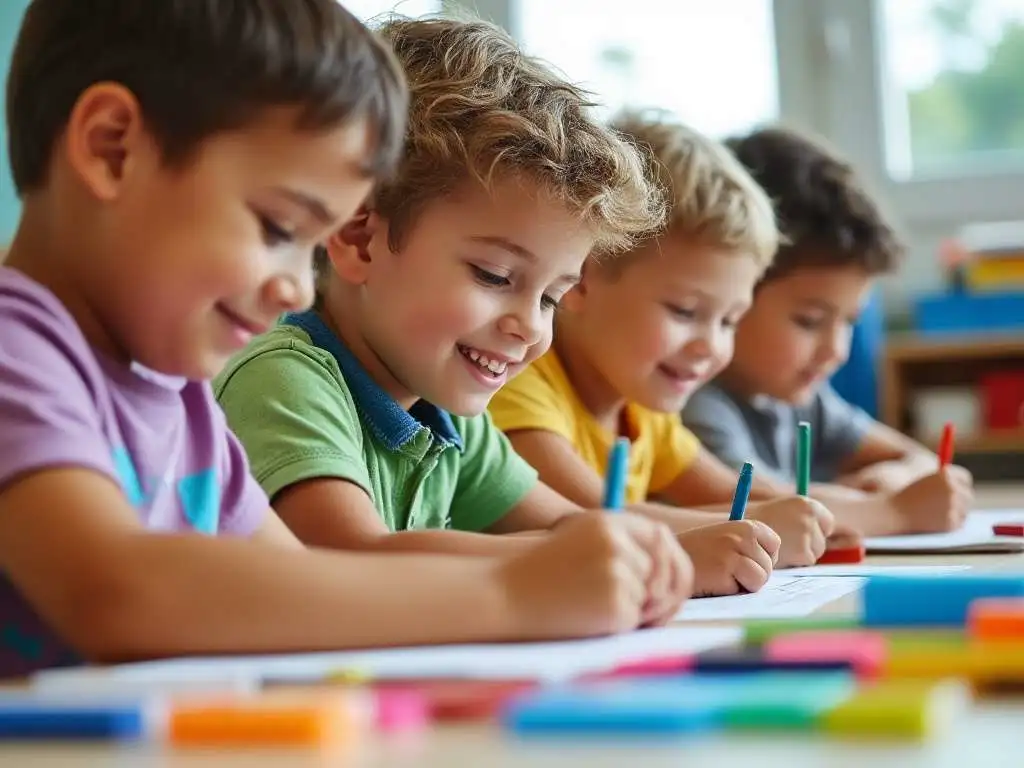
Privacy and voluntary-sharing boundary
An “All About Me” activity should not require a student to disclose family structure, possessions, identity information, home circumstances, private preferences, or a personal story. Sharing is voluntary. Provide an opt-out and a private or fictional alternative before inviting public responses.
Use the activity for an instructional purpose
Choose a goal such as asking and answering questions, using descriptive language, creating a labeled self-portrait, or practicing a participation routine. Do not grade how much a student reveals or how positive or personal the response is. Use responses only for legitimate planning needs such as language supports, participation routes, and questions to follow up privately.
Offer teacher-approved prompt choices
- One thing that helps me learn is ___.
- A skill I want to practice this year is ___.
- A topic, book, game, or activity I enjoy is ___.
- When I need help, a teacher can ___.
- One question I have about this class is ___.
Offer a “none of these today” choice. Avoid prompts that assume a particular family, home, income, cultural background, body, religion, or access to possessions.
Provide participation alternatives
| Need or preference | Alternative |
|---|---|
| Does not want to share publicly | Submit privately, share with the teacher only, or complete a class-related fictional example. |
| Not ready for speaking | Draw, point, sort prompt cards, write, type, use a communication device, or rehearse with a partner. |
| Multilingual participation | Respond in a home language, use labeled drawings, bilingual tools, a partner, or a translated prompt. |
| Does not have a personal object | Use a classroom object, an imagined object, a book character, or a learning preference. |
Examples by grade band
Kindergarten
Students choose one of three picture prompts, draw a response, and practice saying or showing it to a partner. The teacher models asking permission before responding.
Upper elementary
Students complete a “How I learn” card about supports that help them begin, focus, or ask for help. Each student chooses whether to share one class-useful detail.
Middle school
Students select a class routine they want to understand, a question about the course, or a goal for participation. They may submit privately or discuss in a small group.
Blank planning sheet
Today’s class goal:
Prompt choices offered:
Private/opt-out route explained? Yes / No
Ways students may respond:
Materials or language supports:
What I will observe for learning:
What I will not grade or require students to disclose:
Follow-up needed privately:
Completed bounded lesson example: classroom help routes
Objective and materials: Students identify one approved way to request clarification or assistance during class using teacher-created help-route cards, private response slips or an approved digital form, and established communication supports.
Sequence and example timing: In this 30-minute example, use 5 minutes for the objective and privacy boundary, 7 for modeling two help routes, 8 for neutral fictional scenarios, and 10 for an individual response and closure. Adjust the schedule and support to the group.
Student action and evidence: Students select a fictional classroom scenario, choose an appropriate help route, and explain or indicate when they would use it. Check the route-scenario match; do not grade personal history, family information, or willingness to share.
Access and adjustment: Students may respond privately in writing, speech, sign, selection, or an established communication mode. If the route is mismatched, model one scenario and offer a two-choice retry; if it is accurate, practice how to begin the request.
Assessment and safeguarding follow-up
Assess the stated instructional skill, such as using descriptive words, asking a question, or following a response routine, rather than personal disclosure. If a response raises a safety or welfare concern, follow school safeguarding procedures instead of turning the public activity into an investigation.
Classroom resources for this teaching goal
- Teach and Reteach Classroom Routines — For teaching the established help-route routine within this lesson, use the blank routine card with voluntary participation and your actual local procedures.
Sources
Tools in this guide: Use the completed lesson alongside assessment guidance and sources, with private and fictional response options.