Teaching need

Classroom Management and Routines

Teach routines and procedures that make transitions, participation, and learning time more predictable.

Search the full library

Choose a route

Use the question that best matches the decision in front of you; the labels and filters below narrow the library without implying that one method fits every context.

Suggested starting sequence

  1. Daily Classroom Routines by Grade Level: Purpose, Practice, and Choice

    Choose one recurring classroom moment and define the routine's purpose and participation options.

  2. Classroom Transition Routines: Plan, Teach, Practice, and Refine

    Plan and teach one transition with observable steps, a cue, practice, and timing evidence.

  3. Classroom Management: Routines, Access, Safety, and Evidence

    Review the wider management system for access, safety, relationships, and responses when routines break down.

Recent hub updates

Updated July 19, 2026: added a decision aid, starting sequence, resource filters, preparation labels, and a subtopic map.

Recently expanded guides:

11 resources

Illustration for Brain Breaks and Classroom Movement: Cues, Access, and Transition Checks

Classroom Management and Routines · Routine guide · 10 minutes

Brain Breaks and Classroom Movement: Cues, Access, and Transition Checks

Choose a brief movement break for the class context, teach its start and stop cues, provide a seated option, and check whether the transition cost is acceptable.

Best for: Teachers planning short movement breaks

Next action: Select one two-minute movement option, define its stop cue and seated alternative, and test it during a single transition.

Access and support

Illustration for Classroom Management: Routines, Access, Safety, and Evidence

Classroom Management and Routines · Classroom management guide · 20–30 minutes

Classroom Management: Routines, Access, Safety, and Evidence

Review expectations, procedures, relationships, instruction, and behavior responses as separate classroom-management decisions, with observable routines to teach.

Best for: Teachers revising one management routine

Next action: Choose one recurring disruption, define the replacement procedure, model it, and record when the procedure succeeds or breaks down.

Routines and environment

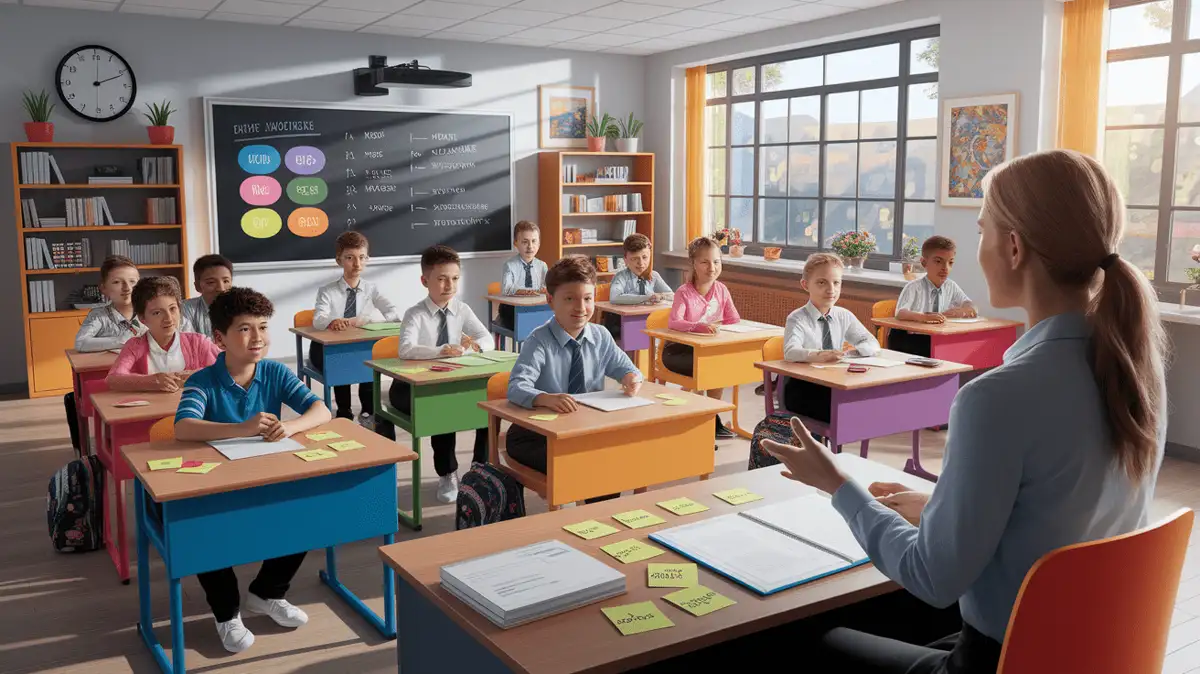
Illustration for Classroom Transition Routines: Plan, Teach, Practice, and Refine

Classroom Management and Routines · Routine planning tool · 15 minutes

Classroom Transition Routines: Plan, Teach, Practice, and Refine

Plan a classroom transition by defining its purpose, steps, cue, practice, access options, timing evidence, and response when the routine breaks down.

Best for: Teachers improving one recurring transition

Next action: Choose one transition, define its steps, model it, and measure how long it takes for one week before revising the routine.

Routines and environment

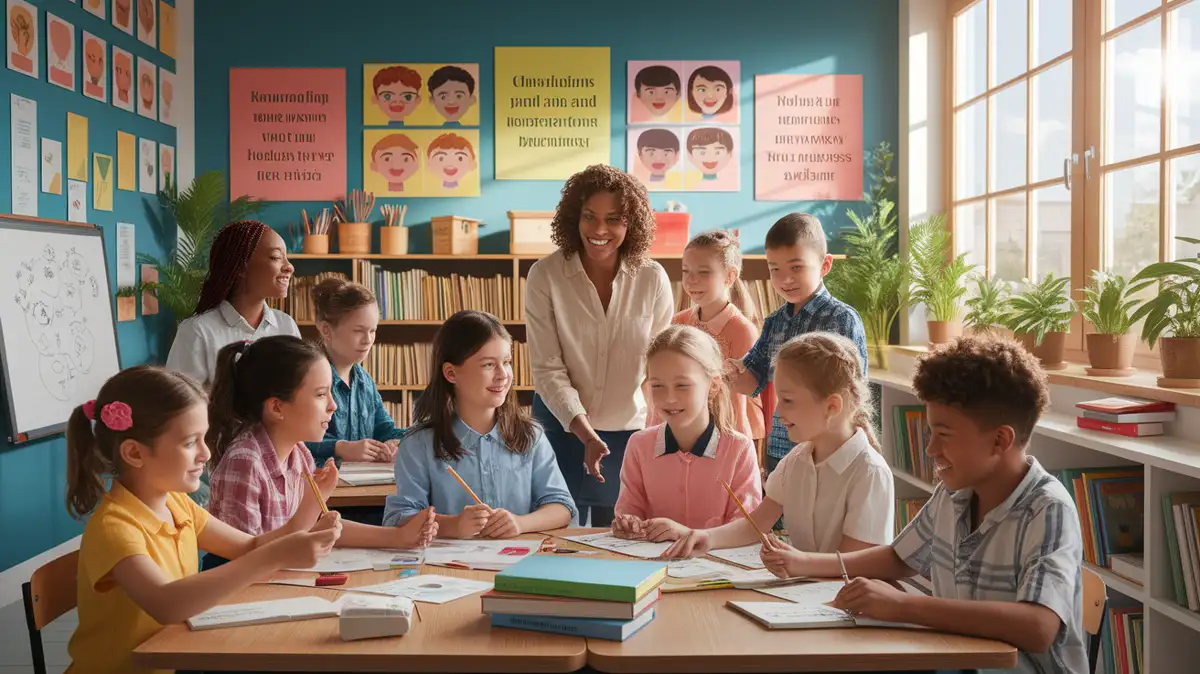
Illustration for Collaborative Classroom Culture: Norms, Roles, Accountability, and Reflection

Classroom Management and Routines · Classroom culture guide · 20 minutes

Collaborative Classroom Culture: Norms, Roles, Accountability, and Reflection

Build collaboration through explicit norms, low-risk practice, rotating roles, individual accountability, and reflection on the quality of group reasoning.

Best for: Teachers improving group-work routines

Next action: Teach one collaboration behavior, assign observable roles for the next group task, and collect one individual response at the end.

Discussion and collaboration

Illustration for Daily Classroom Routines by Grade Level: Purpose, Practice, and Choice

Classroom Management and Routines · Decision guide · 15 minutes

Daily Classroom Routines by Grade Level: Purpose, Practice, and Choice

Compare routines, procedures, and rituals by grade band, then choose a brief practice with a clear purpose and a participation alternative for students.

Best for: Teachers planning predictable daily practices

Next action: Choose one daily moment, define whether it needs a procedure or optional ritual, and teach the steps before measuring its usefulness.

Routines and environment

Illustration for Executive Function: Processes, Classroom Supports, and Limits

Classroom Management and Routines · Support guide · 15 minutes

Executive Function: Processes, Classroom Supports, and Limits

Reduce planning, attention, inhibition, and task-switching demands with visible routines and prompts, while avoiding assumptions about an individual learner.

Best for: Teachers reducing avoidable task-management load

Next action: Review one multistep task, display its sequence, and add a check point where students can restart without losing their place.

Learner participation and practice

Illustration for Literacy Centers: Targets, Routines, and Evidence

Classroom Management and Routines · Center-planning guide · 25–40 minutes

Literacy Centers: Targets, Routines, and Evidence

Design literacy centers with one teachable target, concise directions, accessible materials, an independence routine, and evidence that can guide the next grouping.

Best for: Early-literacy teachers revising center rotations

Next action: Audit one center for its target, directions, materials, independence demand, and the response students will leave behind.

Routines and environment

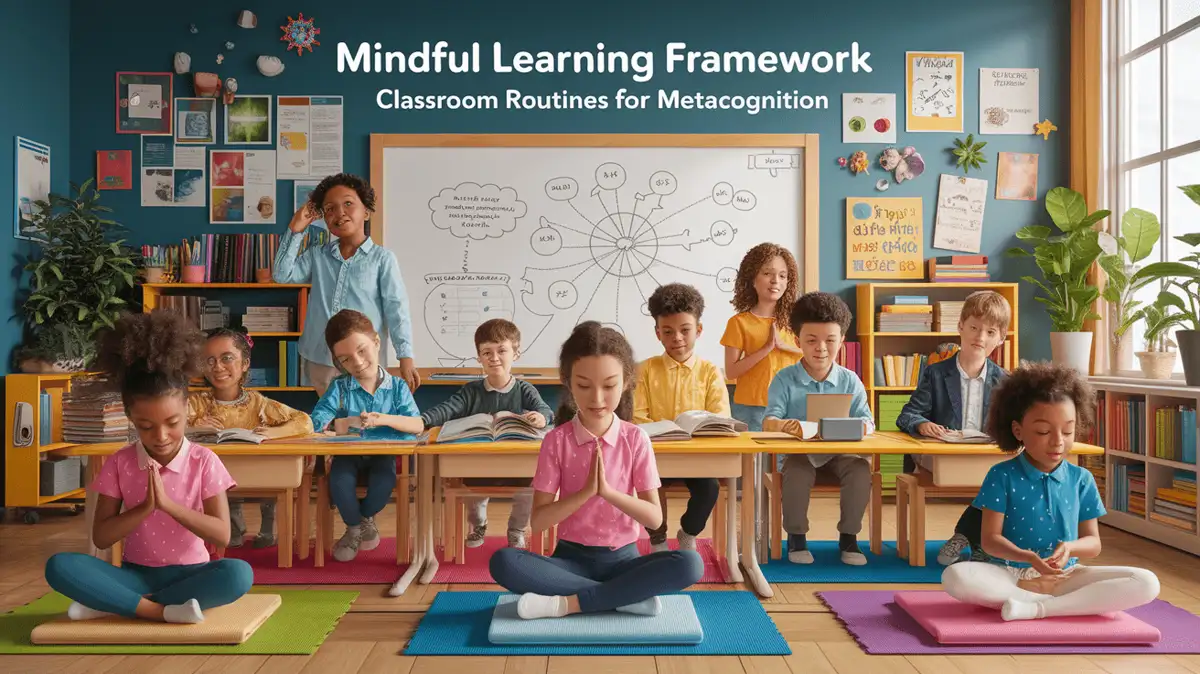
Illustration for Metacognition Routines: Plan, Monitor, and Evaluate Classroom Tasks

Classroom Management and Routines · Routine guide · 10–15 minutes

Metacognition Routines: Plan, Monitor, and Evaluate Classroom Tasks

Choose a brief metacognitive routine that prompts students to plan, monitor, or evaluate a specific task without grading confidence, personality, or private disclosure.

Best for: Teachers adding reflection to ordinary instruction

Next action: Add one plan-monitor-evaluate prompt to an upcoming task and decide how students can respond privately or orally.

Routines and environment

Illustration for Planning for Limited Class Time: Priorities, Transitions, and Contingencies

Classroom Management and Routines · Time-planning guide · 15–20 minutes

Planning for Limited Class Time: Priorities, Transitions, and Contingencies

Protect limited class time by narrowing the objective, prioritizing essential practice, planning transitions, and naming what will be shortened if time is lost.

Best for: Teachers planning short or interrupted periods

Next action: Mark the one must-learn objective, the minimum evidence, and the first activity to shorten before teaching the lesson.

Routines and environment

Illustration for Restorative Practices Implementation: Scope, Safeguards, and Follow-Through

Classroom Management and Routines · Implementation guide · 45–60 minutes

Restorative Practices Implementation: Scope, Safeguards, and Follow-Through

Plan restorative practices with trained roles, voluntary and safe participation, preparation, accountability, support routes, implementation evidence, and review.

Best for: School teams planning restorative systems

Next action: Identify one proposed practice and confirm facilitator training, participation boundaries, safeguarding, follow-up, and the evidence used to review it.

Learner participation and practice

Illustration for Social-Emotional Learning Integration: Routines, Boundaries, and Review

Classroom Management and Routines · Integration guide · 20 minutes

Social-Emotional Learning Integration: Routines, Boundaries, and Review

Choose an explicit SEL skill, teach it in context, protect voluntary disclosure, use observable evidence, and connect concerns to the school’s support route.

Best for: Teachers embedding SEL in daily instruction

Next action: Select one routine academic task and name the SEL behavior to model, practice, and observe without grading personality.

Routines and environment