Teaching need

Ready-to-Use Lesson Ideas

Adapt lesson ideas, classroom artifacts, and short planning sequences without treating a template as a script.

Search the full library

Choose a route

Choose an example to adapt to a stated objective. Cards distinguish activities, lesson outlines, worked examples, and planning sheets; check the materials and source text before using a plan.

Start with a teaching decision

  1. Brown Bear Lesson Plan: Literacy, Sequencing, and Art Activities

    Choose one route and write the exact color, sequence, word, count, or animal-observation evidence before preparing materials.

  2. Kindergarten Math Lesson Plan: Activities, Structure, and Checks

    Choose one mathematics concept and write the hands-on response or explanation children will use to show understanding.

  3. Why Study History Lesson Plan: Relevance, Evidence, and Inquiry

    Choose one historical question and prepare two sources students can compare for claim, evidence, perspective, and limitation.

Recently revised guides

13 guides and examples

Subject-Specific Teaching · Worked lesson and planning sheet · 15–25 minutes

5Ws Lesson Plan Strategy: Modeling, Guided Questions, and Independent Response

Use the 5Ws to identify information, expand sentences, check comprehension, and plan writing, with a model, guided questions, and an independent response.

Best for: Elementary literacy and content-area teachers

Next action: Choose one short text and write the five questions plus the final sentence or summary students will produce from their answers.

Text-based activities

Ready-to-Use Lesson Ideas · Lesson outline and participation choices · 25–35 minutes

All About Me Lesson Plan: Safe Sharing, Choice, and Belonging

Use a privacy-aware lesson with optional prompts, grade-band examples, a planning sheet, and a completed bounded lesson that does not require disclosure.

Best for: Elementary and middle-grade teachers

Next action: Choose the instructional objective, remove any required family or identity disclosure, and offer a fictional or private response option.

Participation and creative tasks

Teacher Development and Mentoring · Adaptable study plan · 20–30 minutes

Book Studies: Purpose, Discussion, and Closing Decisions

Set a reading purpose, choose a manageable text and schedule, prepare annotation and discussion routines, and decide what application evidence the group will keep.

Best for: Teacher teams or structured student reading groups

Next action: Write the book-study purpose, first reading range, and one discussion question tied to an intended application.

Adaptable planning examples

Ready-to-Use Lesson Ideas · Adaptable activities and lesson example · 20–30 minutes

Brown Bear Lesson Plan: Literacy, Sequencing, and Art Activities

Choose a bounded Brown Bear lesson objective, compare safe activity routes, and use a blank plan plus completed color-and-sequence example.

Best for: Preschool and early-primary teachers

Next action: Choose one route and write the exact color, sequence, word, count, or animal-observation evidence before preparing materials.

Text-based activities

Ready-to-Use Lesson Ideas · Lesson outline and adaptation sheet · 25–35 minutes

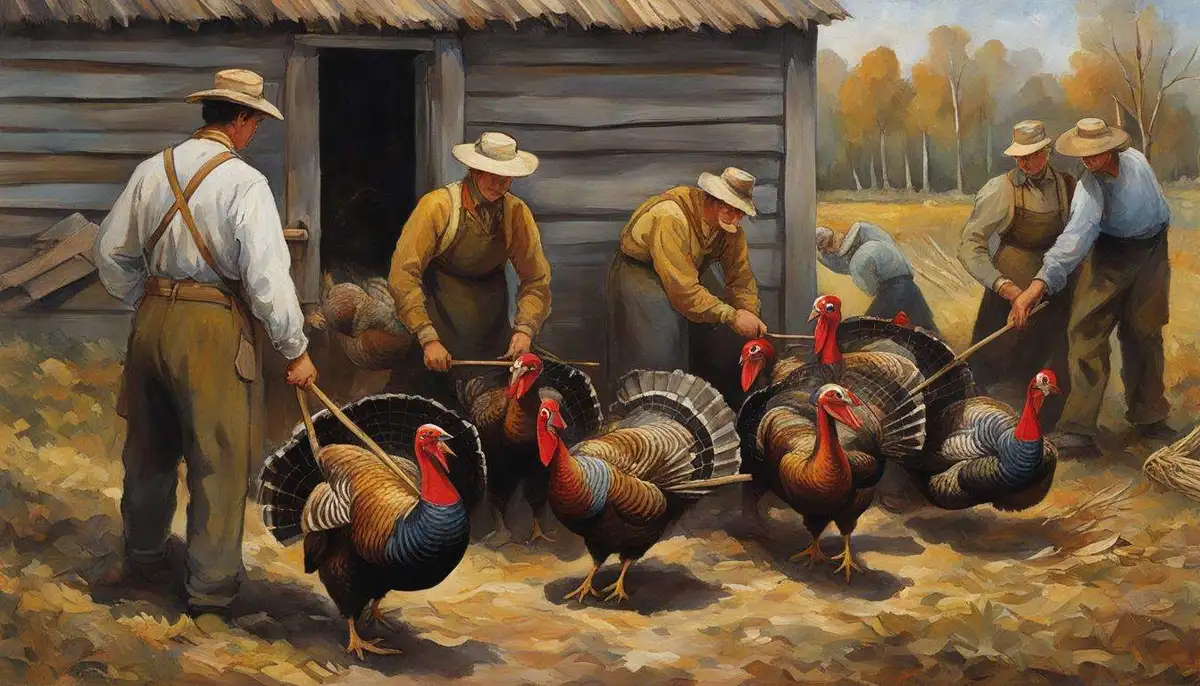
Catch a Turkey Lesson Plan for Teachers

Select a read-aloud, vocabulary, sequencing, writing, or art activity connected to the picture book, with materials and a clear literacy evidence check.

Best for: Early-primary teachers using the picture book

Next action: Choose one activity and write the exact vocabulary, sequence, or written response students will produce before preparing materials.

Text-based activities

Ready-to-Use Lesson Ideas · Adaptable play task and observation tool · 15–25 minutes

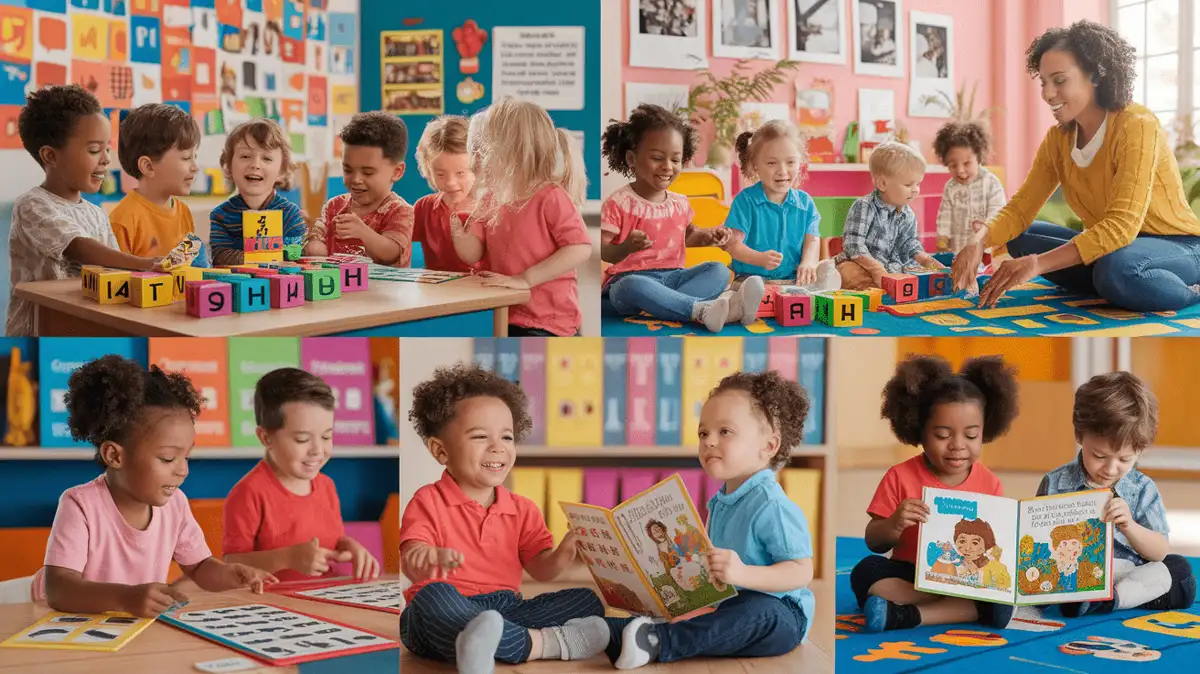
Creative Thinking Through Play: Tasks, Observation, and Limits

Choose a play context that supports a defined creative-thinking move, provides materials and access options, and uses observation without claiming automatic outcomes.

Best for: Early-years and elementary teachers

Next action: Select one play task and name the idea-generation, combination, testing, or revision behavior you will observe.

Participation and creative tasks

Ready-to-Use Lesson Ideas · Integrated planning sheet · 20–30 minutes

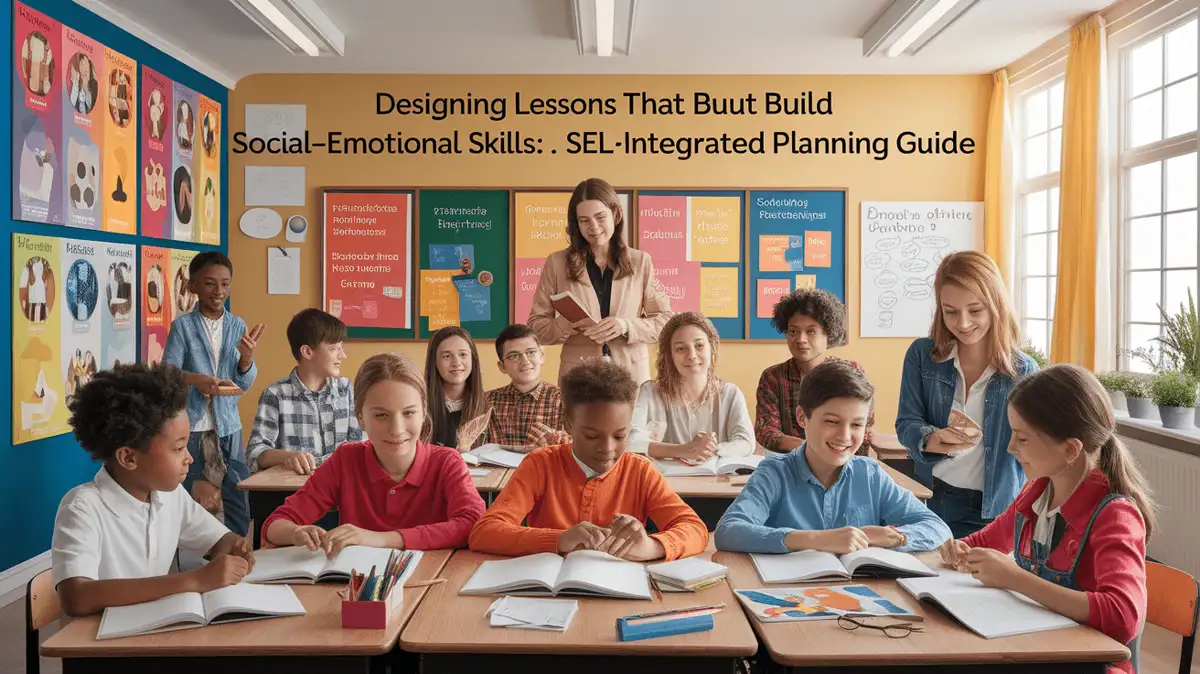
Designing Lessons that Build Social-Emotional Skills: A SEL-Integrated Planning Guide

Integrate one explicit social-emotional skill with an academic objective, practice opportunity, observation method, and route for students who need support.

Best for: Teachers adding explicit SEL practice to a lesson

Next action: Name one observable SEL behavior, teach it during an academic task, and decide what evidence is appropriate to collect.

Adaptable planning examples

Subject-Specific Teaching · Math activities and lesson example · 25–35 minutes

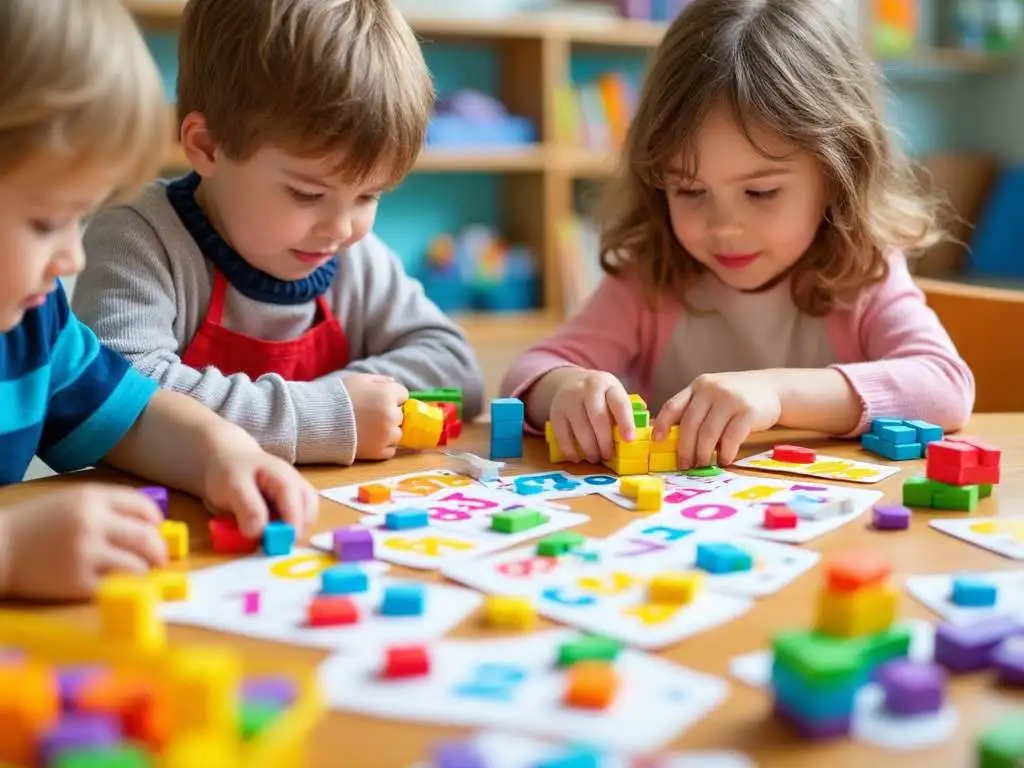
Kindergarten Math Lesson Plan: Activities, Structure, and Checks

Plan a kindergarten mathematics lesson with one concept, brief modeling, hands-on practice, language support, observation, and a developmentally appropriate check.

Best for: Kindergarten mathematics teachers

Next action: Choose one mathematics concept and write the hands-on response or explanation children will use to show understanding.

Mathematics activities

Subject-Specific Teaching · Activity sequence · 15–25 minutes

Phonological Awareness Activities: Sound Games for Early Learners

Use a clear oral-language sequence for rhyme, syllables, onset–rime, and phoneme work, with short sound games and an observable response at each step.

Best for: Preschool and early-primary literacy teachers

Next action: Choose the next sound skill in the sequence and prepare three oral examples plus one response every child can make.

Adaptable planning examples

Subject-Specific Teaching · Reference and creation guide · 20–30 minutes

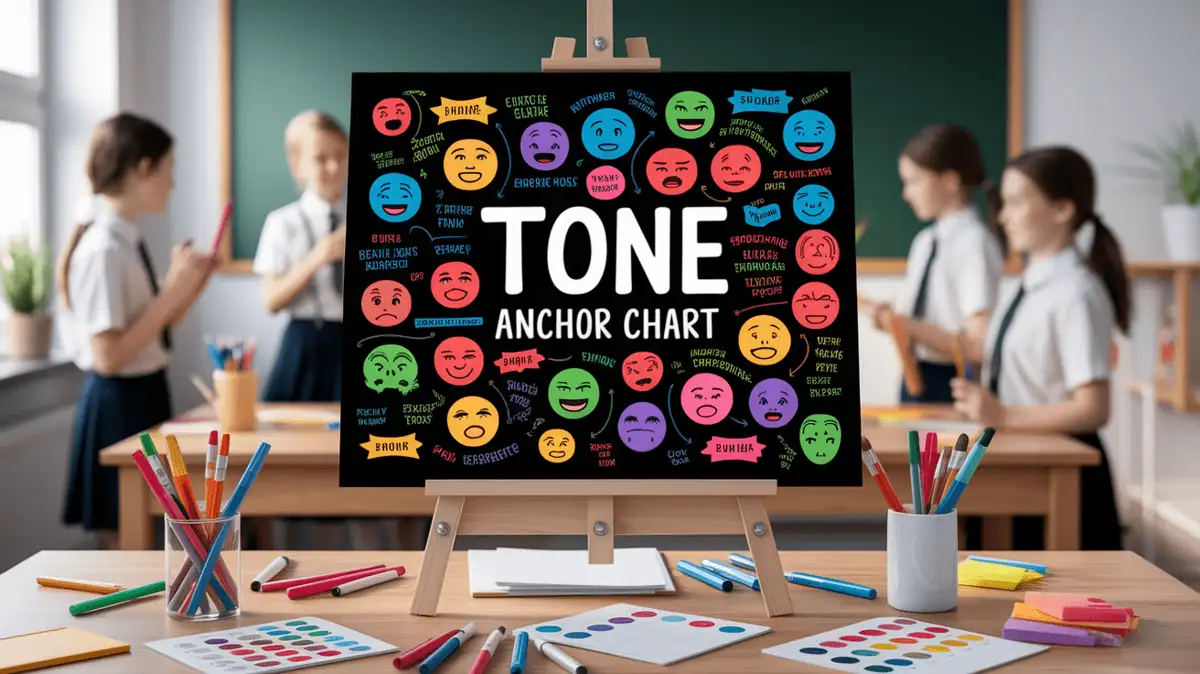
Tone Anchor Chart: Quick Reference and Creation Guide

Create a tone anchor chart with precise terms, evidence from text, related and contrasting words, a student-use routine, and a plan for revision or retirement.

Best for: Language arts teachers building a tone reference

Next action: Choose four tone words, add one cited example and contrast for each, and write the question students will use with the chart.

Adaptable planning examples

Subject-Specific Teaching · Poetry activities and adaptation sheet · 30 minutes

Where I’m From Poetry Lesson: Mentor Texts, Safe Prompts, and Choice

Teach a place-and-memory poem with mentor-text analysis, sensory language, fictional and private prompt options, drafting support, and consent-based sharing.

Best for: Upper-elementary and secondary language arts

Next action: Choose a mentor passage, remove required family or identity disclosure, and add a fictional or observation-based prompt option.

Text-based activities

Subject-Specific Teaching · Source-inquiry lesson example · 30 minutes

Why Study History Lesson Plan: Relevance, Evidence, and Inquiry

Use a source-based history lesson to connect present questions with chronology, evidence, perspective, corroboration, and the limits of historical claims.

Best for: Middle and secondary social studies teachers

Next action: Choose one historical question and prepare two sources students can compare for claim, evidence, perspective, and limitation.

Adaptable planning examples

Subject-Specific Teaching · Close-reading lesson outline · 30–45 minutes

‘Where Are You Going, Where Have You Been?’ Lesson Plan: Close Reading, Power, and Characterization

Plan a source-aware study of Oates’s story with close reading, power and characterization questions, discussion safeguards, analytical evidence, and alternatives.

Best for: Secondary language arts teachers

Next action: Select one passage, write a text-dependent question about power or characterization, and provide a non-role-play response route.

Text-based activities