Introduction: Unlocking Potential
Hey there, fellow educators! Let me tell you something absolutely amazing – that quiet kid in the back of your classroom who’s always doodling? Or the one who can’t seem to sit still? They’re not being difficult; they’re simply wired differently, and they have incredible potential just waiting to be unlocked!
As teachers, we’re seeing more neurodivergent students than ever in our classrooms. In fact, approximately 1 in 5 children in the United States are neurodivergent! That includes kiddos with autism spectrum disorder (ASD), ADHD, dyslexia, and other cognitive differences that affect how they process information and learn.

But here’s what gets me so excited – we’ve seen a whopping 267% increase in neurodivergent learners in higher education since 2004! Our understanding of neurodiversity as normal brain variations rather than “disorders” is transforming how we teach. Instead of asking, “What’s wrong with this student?” we’re asking, “How can we adapt our teaching to help this student thrive?”
Let’s dive into some super practical, incredibly effective strategies that will help you support ALL your amazing students – because every child deserves the chance to shine in their own unique way!
Tailoring Learning Environments
Picture this: You’re trying to focus on grading papers while sitting in the middle of a rock concert with flashing lights and someone repeatedly poking your shoulder. Sounds impossible, right? That’s what school can feel like for many neurodiverse students dealing with sensory processing challenges!
Creating a sensory-friendly classroom doesn’t have to be complicated. Here are some easy-peasy adjustments that make a HUGE difference:
- Flexible seating options: Wobble stools, standing desks, or even just a cushion can help students with ADHD who need movement to focus.
- Lighting alternatives: Those fluorescent lights can be sensory nightmares! Try lamp lighting, light filters, or allowing students to wear brimmed hats.
- Quiet zones: Designate a peaceful corner with noise-canceling headphones, privacy screens, or even just a beanbag behind a bookshelf.
One of my favorite classroom hacks is creating visual schedules and clearly labeled spaces. According to research on common learning differences, students with executive functioning challenges thrive with predictable routines and explicit transitions. A simple visual timer can transform a struggling student’s ability to manage their time!

Remember, these environmental tweaks benefit EVERYONE, not just our neurodivergent kiddos. Even your most “typical” students will appreciate a more comfortable, organized learning space. That’s the beauty of universal design – it lifts all boats!
Personalized Teaching Methods
Alright, teaching friends – let’s talk about spicing up our instruction in ways that reach EVERY brain in our classroom! One of my absolute favorite strategies comes from research on supporting statistics learning (but works for any subject): start with concrete, realistic examples before introducing abstract concepts.
Think about it – telling a student with dyslexia to “just read the instructions” or asking a child with ADHD to “just pay attention” is like telling someone who needs glasses to “just see better.” Instead, try these game-changing approaches:
- Chunk it up: Break complex tasks into bite-sized pieces with checkpoints along the way.
- Multi-sensory instruction: Teach the same concept through visual, auditory, and hands-on methods.
- Provide choice: Offer multiple ways to demonstrate knowledge – posters, videos, presentations, or written work.
- Use interest-based examples: Tap into special interests to make learning relevant and engaging.
For my math teachers out there – did you know that unrealistic data can actually distract neurodivergent learners? When teaching with examples, using real, contextual data helps students with autism or ADHD stay focused and see the relevance!
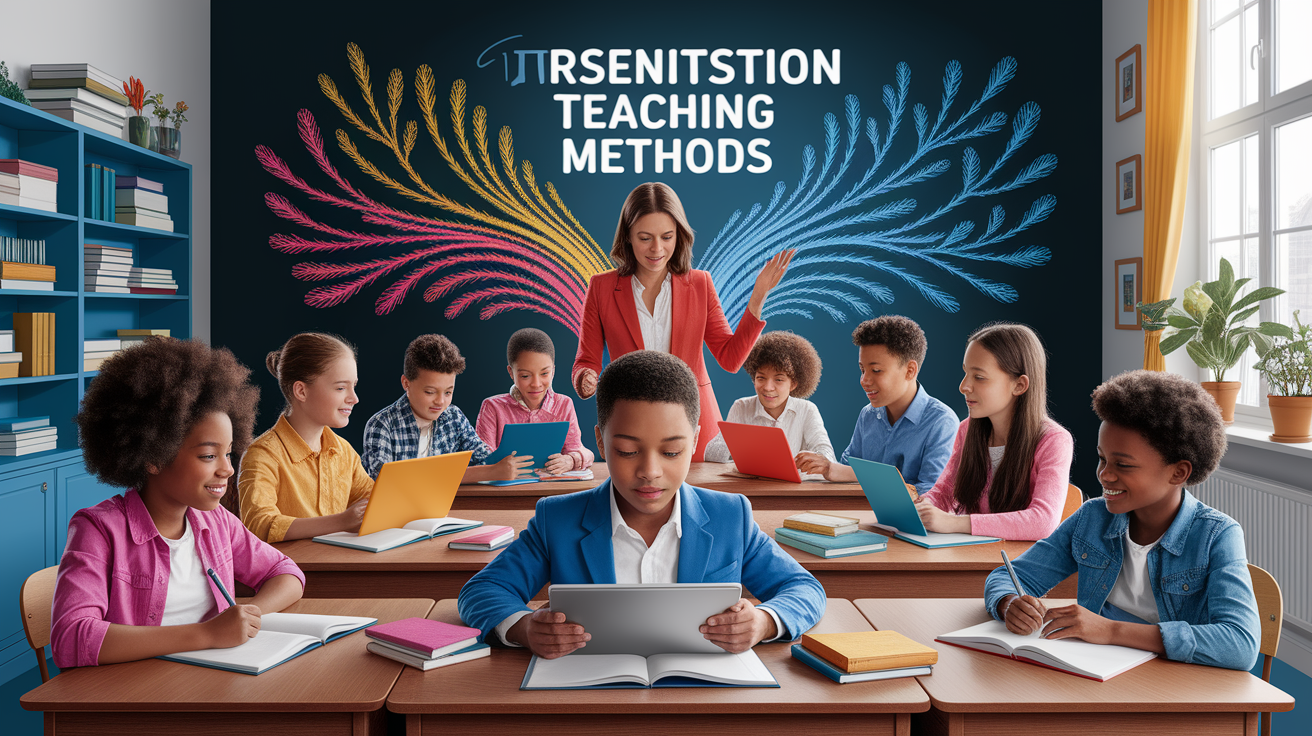
Remember those Individualized Education Programs (IEPs)? About 13% of U.S. students have one, but even without formal documentation, these differentiated approaches benefit EVERYONE. The magic happens when we stop teaching to the “average” student (who doesn’t actually exist!) and start designing learning experiences that reach diverse minds.
Encouraging Social Interaction
Let’s talk about the social side of school, which can sometimes feel like navigating an alien planet for our neurodivergent students! Social-emotional development is just as important as academics, but it requires thoughtful support.
Group work doesn’t have to be a source of anxiety! Try these super-effective strategies:
- Assigned roles: Give specific responsibilities based on strengths – your detail-oriented student might be the perfect fact-checker!
- Structured interactions: Provide conversation starters, sentence frames, or specific turn-taking protocols.
- Social stories: Pre-teach social situations with visual guides explaining expectations.
- Interest-based groupings: Sometimes, shared interests create the strongest bridges between diverse learners.
One of my absolute favorite moments as a teacher was watching a student with autism become the classroom “expert” on dinosaurs, completely transforming his social status among peers. By focusing on self-advocacy and active learning, we empower students to share their unique perspectives and talents!
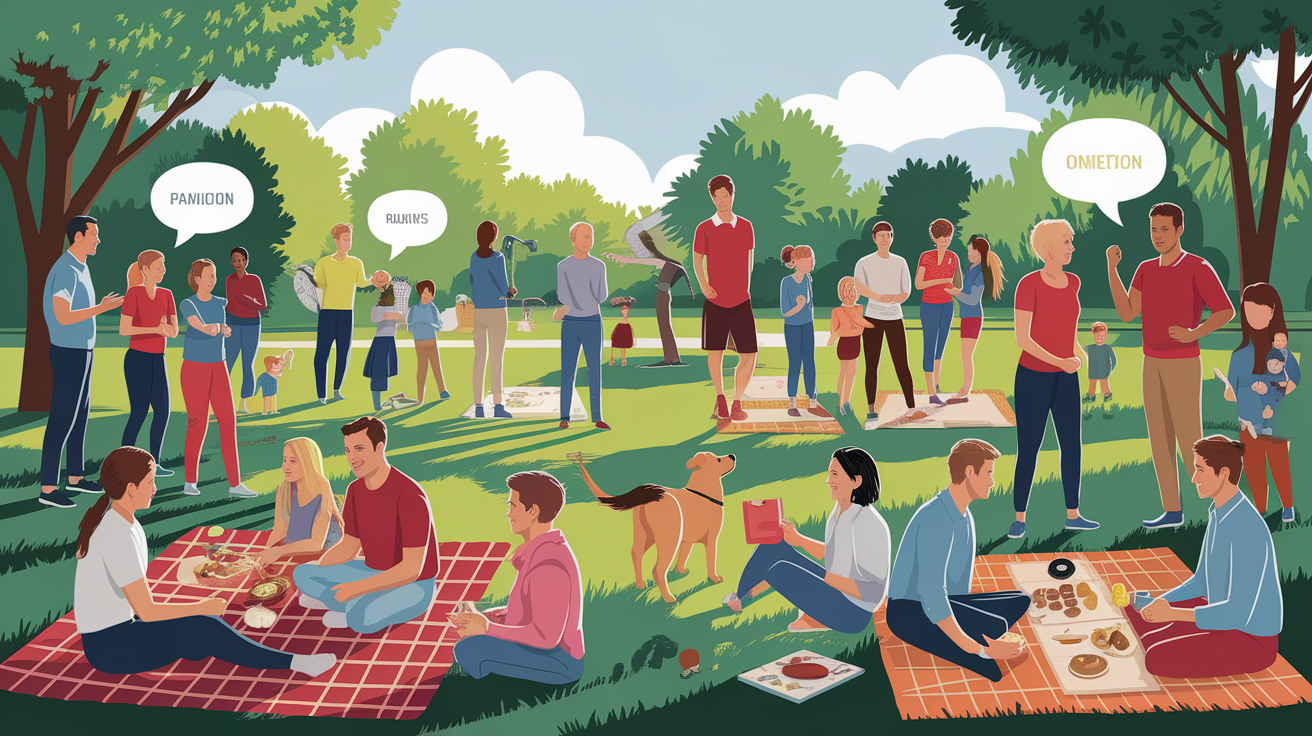
Remember – friendship skills can be explicitly taught! Just as we wouldn’t expect a student to understand division without instruction, we shouldn’t expect social fluency without guidance. With the right supports, every student can build meaningful connections.
Utilizing Technology
Okay, tech enthusiasts – this is where things get REALLY exciting! The digital tools available today are absolute game-changers for neurodivergent learners!
Consider how technology can transform learning for different neurodivergent profiles:
- For students with dyslexia: Text-to-speech software, audio books, and speech-to-text tools remove barriers to content.
- For students with ADHD: Digital organizers, timers, and apps that gamify learning can boost executive function.
- For students with autism: Social skills apps, visual schedule creators, and emotion recognition tools support social development.
- For students with dyspraxia: Keyboarding alternatives and digital manipulation tools reduce motor demands.
The statistics tell a powerful story – neurodivergent students are 26% less likely to complete courses without appropriate supports. But with the right technological tools, we can level that playing field!
One exciting approach is using technology to provide multiple means of engagement, representation, and action – the core principles of Universal Design for Learning. When we offer content in various formats, we’re not just helping neurodivergent learners; we’re creating better learning experiences for EVERYONE!
Remember, technology should amplify human connection, not replace it. The most powerful tech tools are those that help students better engage with teachers, peers, and content – not isolate them further.
Conclusion: Building a Supportive Community
Amazing educators, the journey to supporting neurodiverse learners isn’t a solo adventure – it takes a village! When we build truly inclusive classrooms, everybody wins.
Research shows that neurodiversity-affirming education leads to higher education success, with students developing mature self-goal setting and viewing their differences as strengths rather than deficits. That’s powerful stuff!
Your classroom might be the first place where a neurodivergent child feels truly understood and valued. That gift of belonging is immeasurable and can change the trajectory of a student’s life.
Remember these key takeaways:
- Small environmental changes can make enormous differences
- Multi-sensory, concrete teaching benefits everyone
- Social skills can be explicitly taught with structure and support
- Technology can remove barriers and amplify learning
- Community acceptance transforms lives
So go forth, wonderful teachers! Embrace the beautiful neurodiversity in your classroom. See differences not as obstacles but as opportunities to grow as educators. Every time you make an accommodation for a neurodivergent student, you’re not just helping them – you’re making your classroom better for everyone.
Together, we’re building a world where all kinds of minds are celebrated. And that, my friends, is worth every ounce of our creative energy!