Introduction – Unlocking Potential Through Student Agency
Hello, fellow education enthusiasts! Have you ever watched a student’s eyes light up when they discover they have a genuine say in their learning journey? That magical moment is student agency in action—and it’s transformative!
Think of student agency as the secret sauce that turns passive learners into active educational adventurers. It’s about empowering our students to take the wheel of their educational journey rather than being passengers along for the ride. When we foster student agency, we’re not just teaching content; we’re cultivating future innovators, problem-solvers, and lifelong learners!
At its core, student agency encompasses four essential elements: voice, choice, ownership, and self-efficacy. When students feel their opinions matter (voice), can make decisions about their learning (choice), take responsibility for their progress (ownership), and believe in their ability to succeed (self-efficacy), something extraordinary happens—they become invested in their education in ways that traditional teaching simply cannot achieve.

As one of my students, Emma, told me last year, “When you let us choose our own research topics, I actually WANTED to do homework!” That’s the power of agency in action—turning “have to” into “want to.” Isn’t that what we’re all striving for?
Let’s dive into this wonderful world where our students don’t just participate in learning—they drive it!
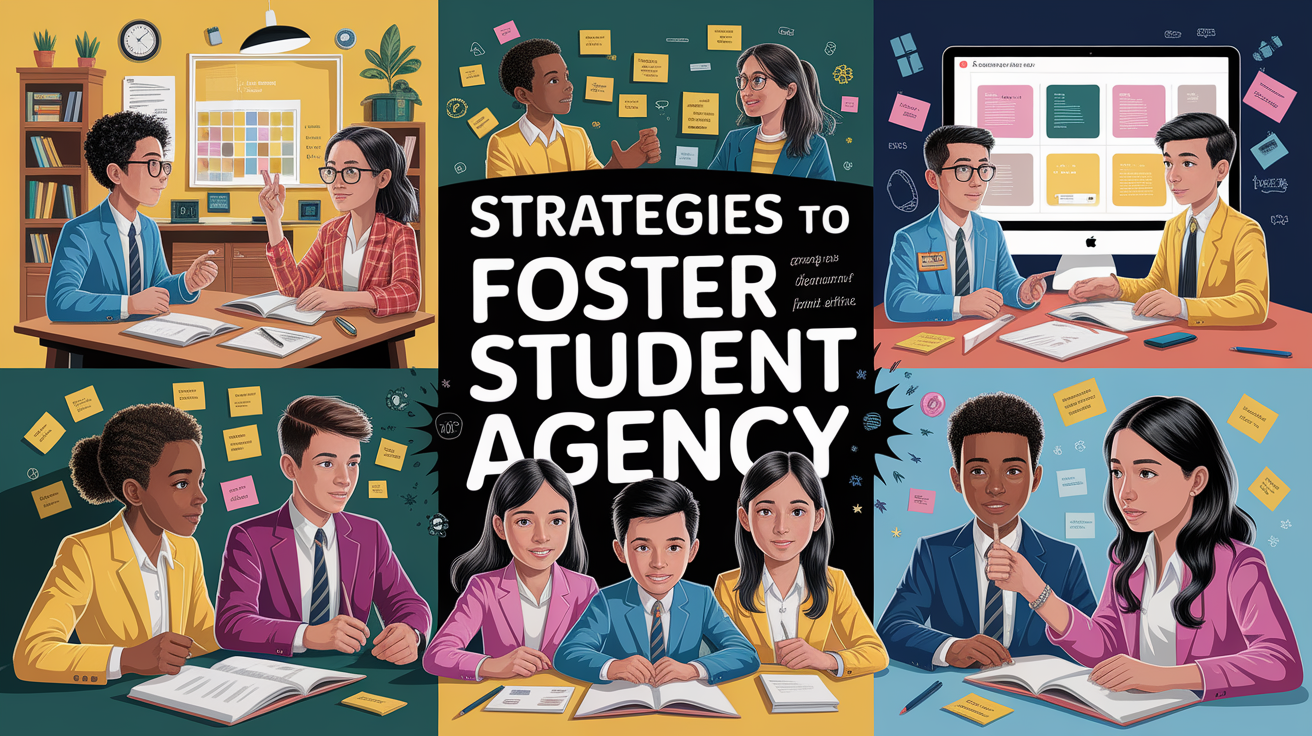
Strategies to Foster Student Agency
Ready for some classroom magic? Here are some of my favorite strategies that have transformed my teaching and my students’ learning:
Offer Meaningful Choices
Choice isn’t just about letting students pick their favorite color marker! Meaningful choice involves allowing students to select topics, processes, or products that align with their interests while still meeting learning objectives. In my classroom, I might provide a menu of project options or let students propose their own ways to demonstrate understanding. The excitement is palpable when students realize they have genuine decision-making power!
Embrace Project-Based Learning
Project-based learning is like student agency on steroids! When I introduced our community impact project, I simply posed the question: “How can we make our neighborhood better?” Then I stepped back and watched the magic unfold. Students identified real issues, researched solutions, and created action plans—all while covering standards across multiple subjects. Their engagement skyrocketed because they were addressing problems they genuinely cared about.
Foster Goal-Setting and Reflection
Teaching students to set goals and reflect on their progress is essential for developing self-efficacy and ownership. I start each month with students creating learning goals and end with reflection sessions. These simple practices help students recognize their growth and take responsibility for their learning journey. The pride on their faces when they achieve self-set goals is absolutely worth every minute invested!
Shift from Director to Facilitator
Remember, fostering student agency doesn’t mean less teaching—it means different teaching! Our role shifts from the all-knowing director to a supportive facilitator who guides, questions, and occasionally steps back to let productive struggle happen. I’ve learned to ask, “What do you think should happen next?” instead of always providing answers. It’s amazing how often students exceed our expectations when given the chance!
Create a Supportive Environment
Student agency flourishes in classrooms where risk-taking is celebrated and mistakes are viewed as learning opportunities. Building trust and creating a safe space for student expression forms the foundation for agency to grow. In my classroom, we have a motto: “Mistakes are just evidence that you’re trying!” This mindset has transformed how students approach challenges.
The Role of Technology in Student Agency
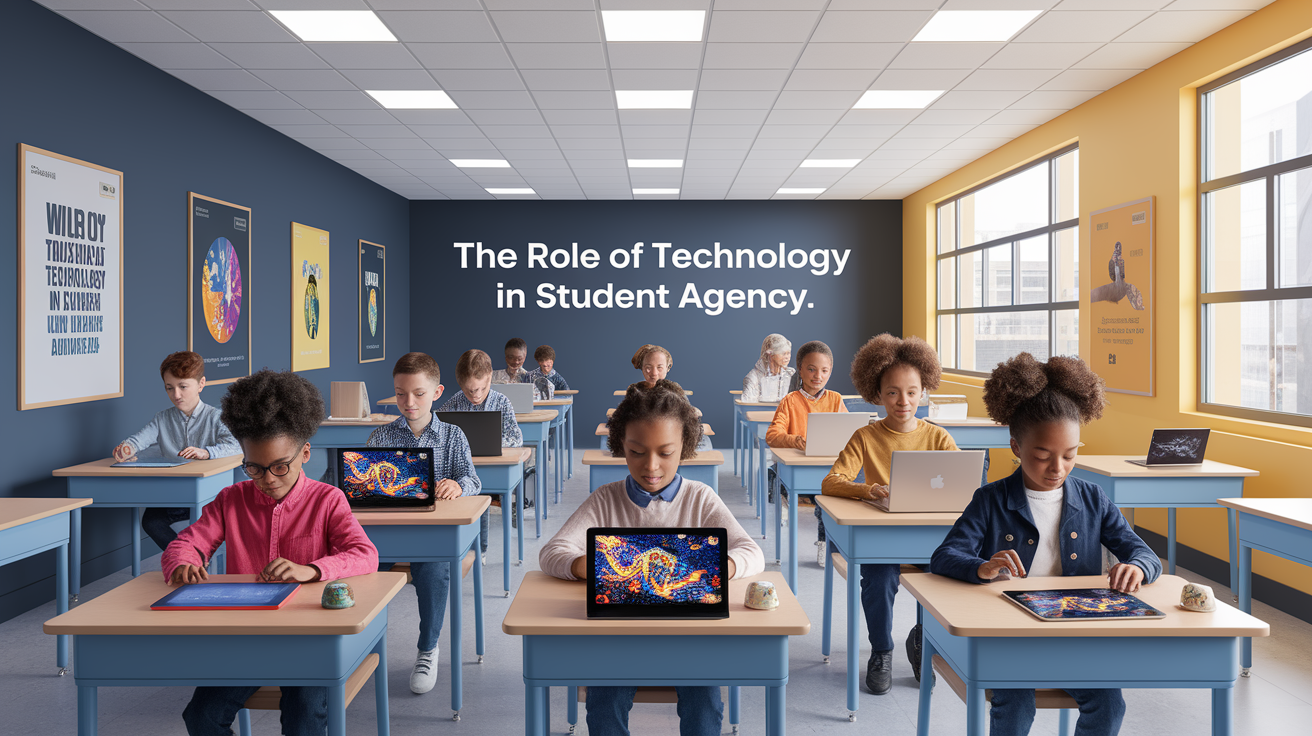
Technology isn’t just about keeping up with the times—it’s a powerful catalyst for student agency when used intentionally!
Personalized Learning Platforms
Digital tools allow students to progress at their own pace and follow personalized learning paths. When Miguel, who struggled with traditional math instruction, discovered he could use interactive tutorials and practice at his own pace, his confidence and performance soared. Technology removed the one-size-fits-all approach that was holding him back.
Student Voice Amplifiers
Digital platforms give every student a voice—even those who might be reluctant to speak up in class. Tools like digital discussion boards, collaborative documents, and video response platforms create multiple avenues for expression. My quietest student last year became our most prolific digital contributor, sharing insights that might otherwise have remained unheard!
Real-World Connections
Technology breaks down classroom walls, connecting students with experts, peers, and authentic audiences worldwide. When my students’ environmental action videos were viewed and commented on by actual scientists, their sense of purpose and audience awareness reached new heights. Suddenly, they weren’t just completing assignments—they were creating content for real people!
Creation Over Consumption
The most powerful technology tools transform students from passive consumers to active creators. Whether they’re designing websites, coding games, or producing podcasts, students exercise agency when they use technology to create original content that reflects their understanding and perspective. The excitement in the room when students share their digital creations is contagious!
Remember, the goal is to use technology as a means to increase student agency, not replace it. The best tech tools amplify student voice and choice rather than dictating the learning path.
Assessing and Reflecting on Student Agency
How do we know if our efforts to foster student agency are working? Assessment in agency-focused classrooms looks different—and that’s a good thing!
Beyond Traditional Metrics
While test scores have their place, measuring student agency requires looking at different indicators. I’ve found that tracking students’ ability to set meaningful goals, their willingness to tackle challenges, and their capacity to reflect on their learning reveals much more about their growth as agentic learners than standard assessments alone.
Self-Assessment Tools
Empower students to evaluate their own progress! Self-assessment techniques like learning portfolios, reflection journals, and progress trackers help students recognize their growth and take ownership of their learning journey. When Sophia created her mid-year portfolio and exclaimed, “I had no idea how far I’ve come!” I knew self-assessment was working its magic.

Observational Data
Some of the most valuable assessment data comes from simply watching and listening to your students. Are they initiating projects? Seeking feedback? Persisting through challenges? These behaviors indicate developing agency and can be documented through anecdotal records or observation checklists.
Navigating Challenges
Let’s be real—fostering student agency isn’t always smooth sailing! You’ll face resistance from students accustomed to being told exactly what to do, concerns from stakeholders about covering curriculum, and your own moments of doubt. When I first implemented student-led conferences, there were definitely some bumps along the way. But the growth in students’ ability to articulate their learning made every challenge worthwhile.
Remember, developing student agency is a journey, not a destination. Celebrate small wins and be patient with the process—for your students and yourself!
Conclusion – The Future of Learning: Student Agency at the Forefront
As we look to the future of education, one thing becomes increasingly clear: the classrooms that will truly prepare students for tomorrow’s world are those where agency thrives today. When we empower students to direct their learning journey, we’re not just teaching content—we’re cultivating the mindsets and skills they’ll need for a lifetime of success and fulfillment.
The beauty of fostering student agency is that it transforms not only our students but ourselves as educators. There’s nothing quite like the joy of watching a student light up with purpose as they pursue a self-directed project or the satisfaction of seeing formerly disengaged learners become classroom leaders when given meaningful voice and choice.
So I encourage you to take that next step in your classroom, whether it’s implementing student choice boards, creating space for student-led discussions, or redesigning your assessment practices to highlight student reflection. Every step toward student agency is a step toward a more engaging, effective, and joyful learning environment.
Remember, we’re not just teaching subjects—we’re empowering minds. And in that worthy endeavor, I’m cheering you on!