
Introduction – The Magic of Collaboration
Hello, amazing online learners! As someone who’s spent years in virtual classrooms, I can tell you there’s something truly magical about what happens when minds connect across digital spaces. It’s like watching a virtual symphony come together—each student contributing their unique notes to create something beautiful!
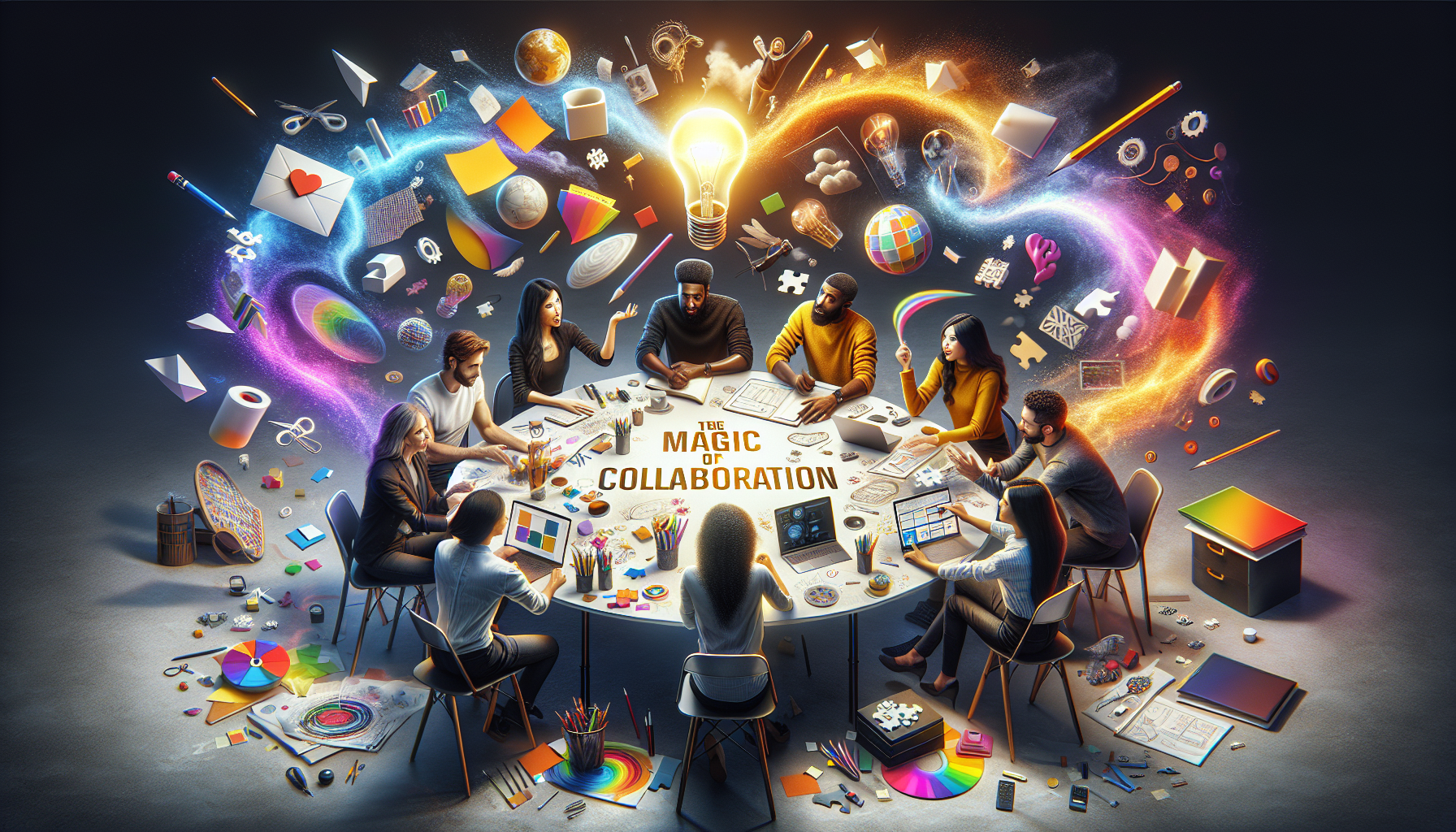
Collaboration in online learning isn’t just a nice-to-have feature—it’s a powerful engine that drives engagement, sparks critical thinking, and builds those oh-so-important communication skills that today’s employers are desperately seeking. When students work together in virtual teams, they’re not just completing assignments—they’re creating connections that transform isolated study sessions into vibrant learning communities!
Think about it: have you ever had that “aha!” moment after discussing a concept with classmates? That’s the collaborative magic at work! Research shows that when we learn together, even in digital spaces, we retain more information and stay motivated longer. Plus, there’s nothing quite like that accountability boost you get knowing your peers are counting on your contributions!
Strategies for Effective Online Collaboration
Ready to sprinkle some collaborative pixie dust into your online classroom? Let’s explore some strategies that will transform your virtual learning space from a digital lecture hall to an interactive knowledge playground!
Interactive Discussion Techniques
One of my absolute favorite techniques is Think-Pair-Share, where students first ponder a question individually (think), discuss with a partner (pair), and then present their ideas to the larger group (share). It’s like planting a seed of thought, nurturing it through conversation, and watching it bloom in the classroom garden!
Another gem is the Jigsaw technique, where students become experts on different parts of a topic before teaching others. Imagine a puzzle where each student holds a vital piece—when they come together, the complete picture emerges! This approach creates wonderful interdependence and ensures everyone has a meaningful role to play.

Creative Group Projects
Problem-based learning (PBL) is a fantastic way to get those collaborative juices flowing! Present your students with a real-world challenge and watch as they band together like superheroes, each contributing their unique powers to save the day. The beauty of PBL in online learning is that it mirrors the kind of teamwork students will encounter in their future careers.
Digital Four Corners discussions, as highlighted by online education experts, offer another wonderful way to promote healthy debate and perspective-sharing. Students literally position themselves in different corners of an issue, encouraging respectful dialogue across viewpoints—a skill we could all use more of in today’s world!
Overcoming Challenges in Online Collaboration
Let’s be honest, friends—online collaboration isn’t always sunshine and rainbows! But don’t worry, every challenge has a solution, and I’m here to help you navigate these sometimes choppy virtual waters with confidence and a smile!
Bridging the Distance Gap
That feeling of isolation can be the kryptonite of online learning. The antidote? Creating vibrant virtual communities! Research shows that when instructors intentionally design for community-building through collaborative activities, students develop a powerful sense of belonging. Try starting class with quick connection activities or creating “study buddy” systems to help students form bonds across the digital divide.
Time zones and scheduling conflicts can also throw a wrench in collaborative efforts. This is where the beautiful balance between synchronous and asynchronous collaboration comes into play. Offering flexibility through discussion boards and shared assignments allows students to contribute thoughtfully on their own schedule while still maintaining accountability through their recorded contributions.

Ensuring Equal Participation
We’ve all been in that group project where one person does all the work while others coast along—not fun! In the online space, this challenge requires creative solutions. Consider empowering students to establish their own group norms and accountability systems. When students help create the rules, they’re much more likely to follow them!
Providing varied engagement options is another fantastic way to ensure everyone participates according to their strengths. Some students shine in video discussions, while others craft brilliant written responses or create amazing visual content. By celebrating these different forms of contribution, we create space for every voice to be heard.
The Role of Technology in Enhancing Collaboration
Technology isn’t just the stage where online learning happens—it’s a collection of magical tools that can transform how students collaborate! Let’s explore this digital toolbox together and discover how to use these tools to create collaboration that feels just as rich (or even richer!) than face-to-face interactions.
Essential Collaboration Tools
Breakout rooms in platforms like Zoom or Google Meet are like transportation portals to smaller, more intimate collaboration spaces. Studies have shown that these smaller discussion groups dramatically increase participation compared to whole-class discussions, giving shy students the courage to share their brilliant ideas!
Shared documents through Google Docs or other cloud platforms enable real-time collaborative magic—watching multiple cursors dance across the screen as a group project takes shape is truly a sight to behold! Add in digital whiteboards for visual brainstorming, and you’ve got a recipe for creative collaboration that rivals anything possible in a physical classroom.

Learning Management Systems as Collaboration Hubs
Don’t forget the power of your learning management system! Those discussion forums and peer review features aren’t just bureaucratic requirements—they’re valuable spaces for constructive feedback and thoughtful dialogue. When set up with engaging prompts and clear expectations, these asynchronous tools can foster some of the most thoughtful collaborations in your course.
Virtual collaboration platforms that support document sharing, co-authoring, and project management are the backbone of successful group work in online courses. Research indicates that these comprehensive tools help students organize their collective efforts and communicate effectively, mirroring the collaborative technologies they’ll use in their future workplaces.
Conclusion – The Future of Collaborative Online Learning
As we look ahead to the horizon of education, one thing is crystal clear—collaborative online learning isn’t just a temporary trend or a pandemic-induced necessity. It’s a vibrant, evolving approach that will continue to transform how we learn together across distances!
The skills students develop through virtual collaboration—communication across digital channels, coordinating with diverse team members, contributing to shared goals—are precisely the skills that will define success in tomorrow’s workplaces. By embracing collaborative approaches now, we’re not just improving learning outcomes; we’re preparing students for a future where digital teamwork is the norm.
Remember, every time you encourage students to collaborate online, you’re helping them build their confidence, expand their perspectives, and discover the joy of creating something greater than what any individual could accomplish alone. That’s not just good pedagogy—that’s powerful preparation for life!
So go forth and collaborate! Create those breakout rooms, design those group projects, facilitate those rich discussions, and watch as your students transform from individual learners into a connected community of knowledge-builders. The future of education is collaborative, and it’s looking brighter than ever!