
Introduction – Play: The Gateway to Creativity
Hello there, creative minds and playful hearts! As someone who’s spent years watching little faces light up with wonder during playtime, I can tell you there’s pure magic in those moments. Play isn’t just fun and games—it’s the secret ingredient to unlocking a child’s creative potential!
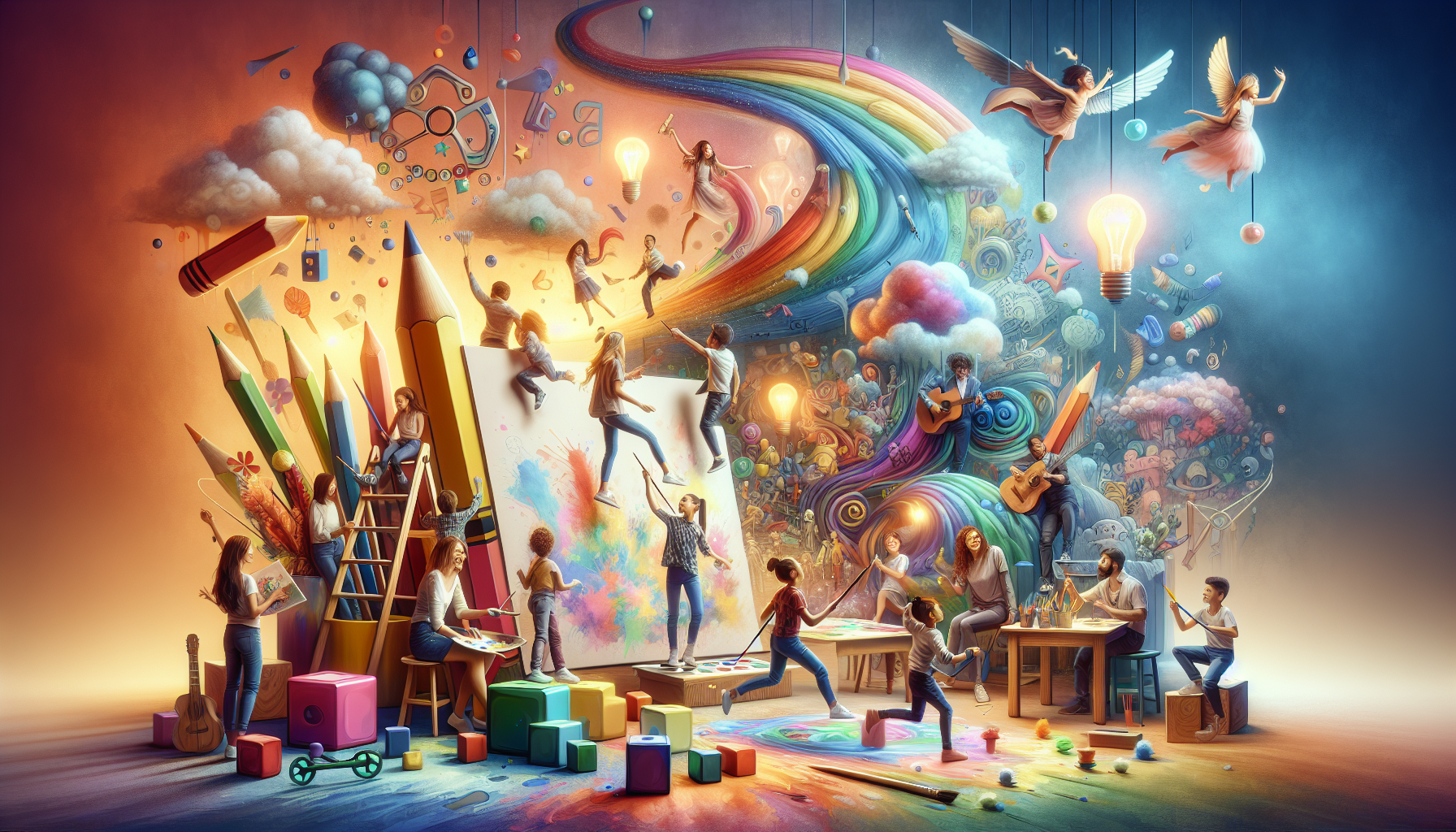
Remember building forts with blankets or turning cardboard boxes into spaceships? That wasn’t just keeping you busy—you were actually developing crucial creative thinking skills! Play creates a special space where imagination runs wild, where there are no wrong answers, and where the impossible becomes possible.
Throughout this article, we’ll explore how play and creativity dance together in beautiful harmony, supporting child development and nurturing those innovative little minds. So grab your metaphorical finger paints and building blocks—we’re about to dive into the colorful world where play transforms into creative genius!
The Science Behind Play and Creativity
Did you know that when children are deeply engaged in play, their brains are actually doing some pretty impressive gymnastics? It’s true! When your little one is pretending that stick is a magic wand or a spaceship command center, their brain is forming powerful neural connections.
Research has shown that creative play significantly impacts brain development by enhancing semantic memory, flexible thinking, and divergent creativity. When children aged 6-7 engage in pretend play or mold with play dough, they’re actually boosting their creativity and problem-solving abilities!
During imaginative play, the prefrontal cortex (our brain’s command center) and hippocampus (our memory keeper) light up like a fireworks display! These brain areas are responsible for higher-order thinking, memory formation, and spatial navigation—all crucial cognitive skills that serve children throughout life.

Play-Based Learning and Cognitive Development
The evidence is crystal clear: play develops motor thinking, symbolic intelligence, and higher psychological functions. Children who experience play-based learning approaches, like Montessori methods, typically perform better on creative thinking tests and show greater cognitive flexibility.
As I tell the parents in my classroom, “When children play, they’re not just having fun—they’re building their future brains!” That block tower that keeps falling down? It’s teaching persistence, spatial reasoning, and creative problem-solving all at once!
Types of Play That Enhance Creativity
Not all play is created equal when it comes to nurturing creativity, though all types have their special magic! Let’s explore the wonderful world of play varieties that help creativity bloom:
Imaginative Play
When children engage in role-playing—becoming astronauts, chefs, or mythical creatures—they’re developing narrative thinking and creative problem-solving. Imaginative play activates brain areas crucial for critical thinking and helps children practice flexible thinking.
I love watching my students transform our classroom corner into anything from a bustling restaurant to a jungle expedition! The way they adapt objects and create elaborate scenarios shows their growing creative minds at work.
Constructive Play
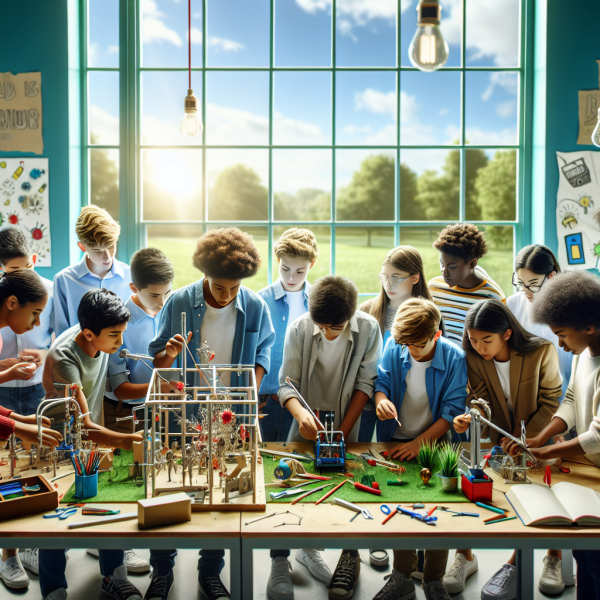
Building with blocks, LEGO bricks, or natural materials helps children develop spatial awareness and engineering creativity. When creating structures, children make predictions, test theories, and learn through experimentation—all key components of creative thinking!

Pretend Play
Pretend play encourages object substitution and world-building, allowing children to create fluid scenarios and adapt as they go. This type of play strengthens symbolic thinking and creative control as children transform everyday objects into anything their imagination desires.
I’ve seen quiet children become confident storytellers when engaged in pretend play—it’s like watching creativity bloom right before your eyes!
Physical Play
Movement-based play enhances coordination and spatial awareness, both important aspects of creative thinking. Whether it’s dancing, playground games, or sports, physical play helps children understand their bodies in relation to the world around them.
Games with Rules
Board games, card games, and playground games with specific rules promote strategy development and memory while encouraging creative ways to solve problems within constraints. These activities support probabilistic thinking and divergent problem-solving, essential skills for innovation!
Practical Ways to Incorporate Play into Daily Life
Ready for some play-tastic ideas to boost creativity? Here are my favorite ways to weave play into everyday moments:
For Parents
- Create a “yes space” – Designate an area in your home where open-ended play is encouraged with minimal restrictions
- Provide simple materials – Cardboard boxes, fabric scraps, and natural materials often inspire more creativity than fancy toys
- Join in sometimes – When you participate in child-led play, you model creative thinking (and have a blast yourself!)
- Ask open-ended questions – “What might happen if…?” or “How else could we use this?” spark divergent thinking
For Educators
Harvard research suggests empowering child-led discovery and providing stimulating resources to support playful learning. As educators, we can balance child-directed play with what researchers call “guided play”—playful learning experiences with gentle adult guidance toward learning goals.
In my classroom, I’ve found that guided play interventions like story re-enactment enhance both creativity and self-regulation. The key is finding that sweet spot between structure and freedom!

Playful Approaches to Learning
Try incorporating these play-based strategies into learning activities:
- Dramatic play centers themed around curriculum topics (historical periods, scientific concepts)
- Engineering challenges with recycled materials to solve real-world problems
- Storytelling and role-playing to explore different perspectives in literature or history
- Sensory play experiences that engage multiple senses while exploring scientific concepts
Remember, playful experiences are crucial for brain development and 21st-century skills! When learning feels like play, children remain engaged, curious, and receptive to new ideas.
Overcoming Barriers to Play
Despite knowing all the wonderful benefits of play, many of us still struggle to make enough space for it. Let’s tackle those obstacles together!
The “Time Crunch” Challenge
Between homework, extracurricular activities, and family responsibilities, finding time for unstructured play can feel impossible. Try integrating playful approaches into existing routines—turn cleanup into a dance party or make dinner prep a collaborative cooking show!
The “Academic Pressure” Myth
Some worry that play takes away from “real learning.” But research tells us the opposite is true! Play-based approaches actually enhance academic outcomes in literacy, math, and science. As I often tell concerned parents, “Play isn’t the opposite of learning—it’s learning’s best friend!”
The “Mess and Noise” Reality
Creative play can be messy and boisterous—that’s part of its beauty! Create designated spaces where creative chaos is welcome, and remember that the developmental benefits far outweigh the temporary disorder.
The “Digital Distraction” Dilemma
Screens can sometimes crowd out hands-on creative play. Try establishing tech-free times and spaces dedicated to imaginative play, and look for opportunities to make digital experiences more creative and interactive rather than passive.
Remember, overcoming these barriers is worth every effort. The creative thinking skills children develop through play today are the innovation skills they’ll need tomorrow!
Conclusion – Embrace Play, Ignite Creativity
As we wrap up our playful journey together, I hope you’re feeling inspired to champion creative play in your home, classroom, or community! The blocks scattered across the living room floor, the elaborate pretend scenarios, the artistic “masterpieces” covering your refrigerator—these aren’t just childhood pastimes. They’re the building blocks of innovative thinking and creative problem-solving.
When we make space for play, we’re sending children a powerful message: your imagination matters. Your ideas have value. Your creativity is worth nurturing.
So go ahead—build that blanket fort, join that imaginary tea party, or construct that cardboard rocket ship. In those joyful moments of play, you’re helping to cultivate the creative minds that will shape our future.
Let’s embrace play in all its wonderful forms and watch creativity soar! After all, as Albert Einstein wisely noted, “Play is the highest form of research.”