
Introduction: A New Era of Learning
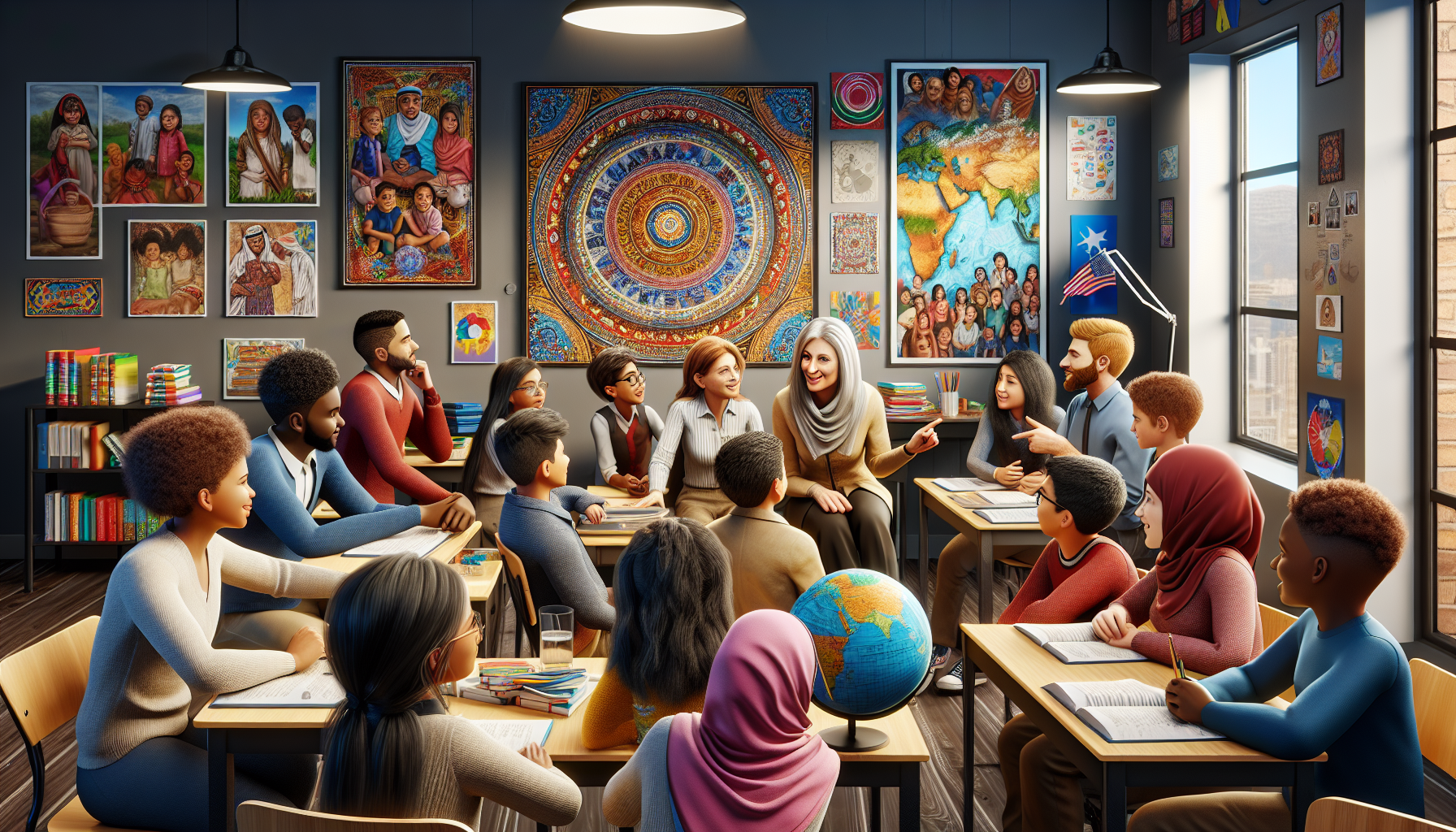
Hello, fellow educators! Isn’t it amazing how our classrooms have become beautiful tapestries of diverse cultures, languages, and experiences? As someone who’s spent years watching young minds blossom, I’ve seen firsthand how embracing students’ cultural identities can transform learning from mundane to magical! We’re entering an exciting new era in education—one where we don’t just acknowledge diversity but celebrate and sustain it.

Gone are the days when students checked their cultural identities at the classroom door. Today, we’re recognizing that these identities aren’t obstacles to overcome but incredible assets that enrich our learning communities. This shift toward culturally sustaining pedagogy represents one of the most exciting developments in our profession!
The Importance of Culturally Sustaining Pedagogy
So what exactly is culturally sustaining pedagogy, and why should we be jumping for joy about it? CSP evolved from earlier frameworks like culturally relevant pedagogy, introduced by Gloria Ladson-Billings in the early 1990s. While Ladson-Billings focused on academic success, cultural competence, and critical consciousness, and Geneva Gay developed culturally responsive teaching around 2000, it was Django Paris in 2012 who proposed the term “culturally sustaining pedagogy” to address limitations in these prior models.
What makes CSP special? It’s not just about acknowledging cultural differences or using culture as a bridge to dominant educational norms. Instead, CSP actively seeks to sustain and perpetuate cultural and linguistic pluralism! How awesome is that?

The benefits are enormous:
- Students maintain their cultural integrity while developing academic skills
- Young people feel a genuine sense of belonging in academic spaces
- Achievement gaps narrow when we build on students’ strengths
- Learners develop critical consciousness about social realities
- Everyone gains dynamic cultural dexterity for our increasingly diverse world
According to research from the U.S. Department of Education, CSP is a strengths-based approach that centers the cultural and linguistic identities of diverse students. Rather than viewing different cultural practices as deficits to overcome, we celebrate them as assets to build upon—and isn’t that perspective so much more empowering?
Strategies for Implementing Culturally Sustaining Pedagogy
Ready to bring this exciting approach into your classroom? Let’s explore some fun, practical strategies! Remember, implementing CSP isn’t about checking boxes—it’s about creating genuine connections and meaningful learning experiences.
Know Yourself First
Before diving in, take time to examine your own cultural biases and perspectives. Self-awareness is your superpower here! Ask yourself: What cultural lenses do I view my teaching through? How might my background influence my expectations of students?
Center Student Experiences
Make your students the experts! Project READY emphasizes inviting student-articulated cultural practices into classrooms without assumptions. Try these approaches:
- Create “cultural autobiography” projects where students share their family histories
- Use “knowledge circles” where students become the teachers of their cultural practices
- Incorporate texts, music, art, and media that reflect students’ diverse backgrounds
- Welcome multiple languages in classroom discussions and assignments
Build Community Connections
Your classroom doesn’t exist in isolation! Building reciprocal community relationships enriches learning for everyone. Invite family members and community leaders to share stories, skills, and knowledge. Create projects that connect classroom learning to community needs and strengths.
Transform Your Curriculum
Look at your curriculum with fresh eyes! Where can you incorporate diverse perspectives, indigenous knowledge systems, and ethnic studies? Consider:
- Using culturally diverse literature that students can connect with
- Exploring mathematical concepts through different cultural approaches
- Studying scientific contributions from various cultures and traditions
- Examining historical events from multiple perspectives
Remember, the goal isn’t just to add token cultural elements but to create learning experiences that genuinely sustain cultural and linguistic competence alongside dominant academic skills. How exciting that we can help students thrive in multiple worlds!
Challenges and Solutions
Let’s be real—implementing CSP isn’t always a walk in the park! But don’t worry; every challenge has a solution, and I’m here to cheer you on through them.
Challenge: “I don’t share my students’ cultural backgrounds!”
Solution: You don’t need to be an expert in every culture! Position yourself as a co-learner and create a classroom environment where students and families can share their expertise. Authentic curiosity and respect go a long way!
Challenge: “I worry about stereotyping or making mistakes.”
Solution: This concern shows you care! Start by acknowledging that cultures aren’t monolithic—there’s diversity within every group. Create space for multiple perspectives, ask thoughtful questions, and be open to learning when you make mistakes. Remember, CSP recognizes culture as dynamic, not static.

Challenge: “My curriculum is already packed!”
Solution: CSP isn’t an add-on; it’s an approach! Look for ways to teach required content through culturally sustaining methods. For example, when teaching scientific concepts, incorporate indigenous environmental knowledge. When studying literature, include diverse authors who address similar themes.
Challenge: “I don’t have administrative support.”
Solution: Start small in your own classroom and document your successes. Share positive outcomes with colleagues and administrators. Connect with like-minded educators to form a support network. The growing research base on CSP’s effectiveness can help make your case!
Remember, every step toward culturally sustaining practice benefits your students. You don’t have to transform everything overnight—progress, not perfection, is the goal!
Conclusion: Embracing Diversity for a Better Future
What an incredible journey we’re on as educators! By embracing culturally sustaining pedagogy, we’re not just teaching subjects—we’re nurturing whole human beings who can thrive in diverse contexts while maintaining their cultural integrity.
When we create classrooms where students’ identities, languages, and cultural practices are affirmed and sustained, we give them an invaluable gift: the confidence to navigate multiple worlds without having to sacrifice who they are. As research shows, this asset-based approach leads to greater engagement, deeper learning, and better outcomes for all students.
So let’s be brave, creative, and joyful as we build educational spaces that don’t just tolerate diversity but truly celebrate and sustain it! Your students—and our shared future—will be all the richer for it.
Remember, you’re doing important work. Every time you honor a student’s cultural knowledge, invite diverse perspectives into your classroom, or challenge yourself to grow as a culturally sustaining educator, you’re creating ripples of positive change that extend far beyond your classroom walls. Keep shining, amazing educators!