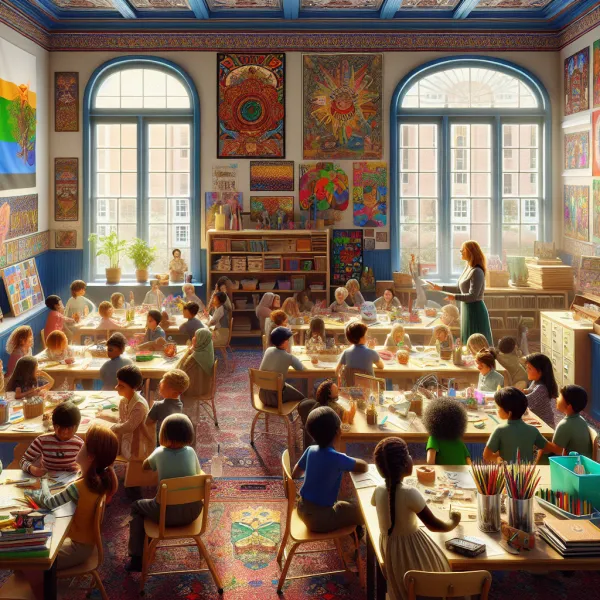
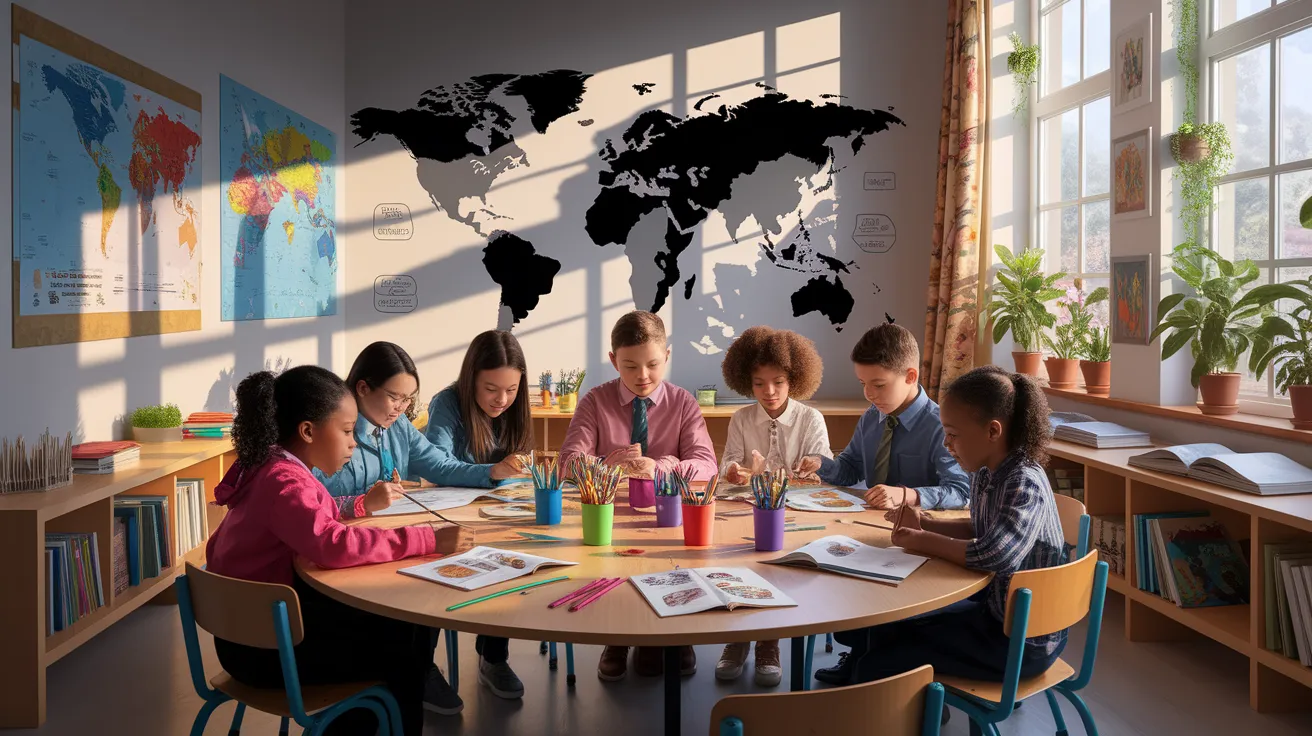
Hello, fellow educators! Are you ready to transform your classroom into a space where every student feels valued, seen, and empowered? As someone who’s spent years watching the magic that happens when all students truly belong, I’m thrilled to share this journey with you. Creating inclusive classroom environments isn’t just a trendy educational concept—it’s the heartbeat of effective teaching in our beautifully diverse world!
Understanding Inclusivity in Education
When we talk about inclusivity, we’re talking about so much more than just having students with different abilities in the same room. True inclusive education embraces principles of equity, access, and collaboration that benefit everyone in our classroom community.
Inclusive classrooms recognize and celebrate diversity in all its forms—abilities, cultural backgrounds, learning styles, gender identities, and more. They’re spaces where we actively work to remove barriers so that every student can participate fully in the learning journey!
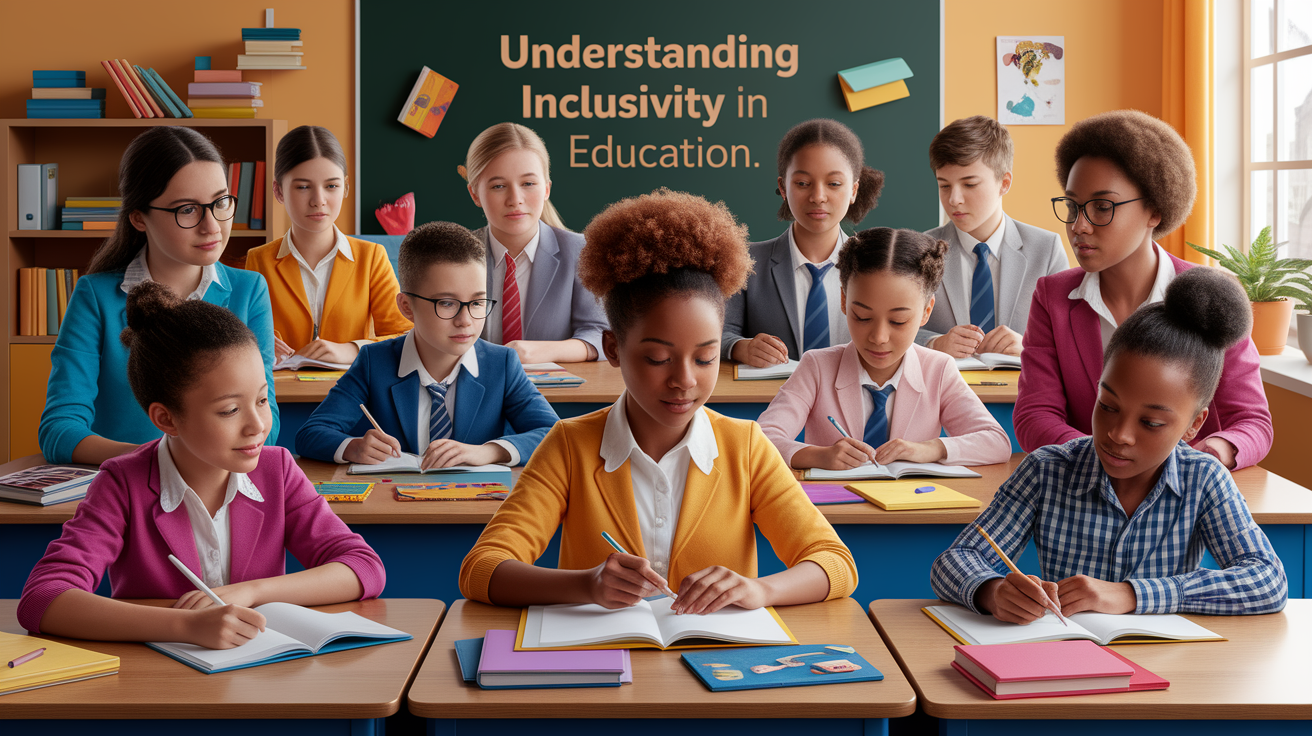
The research speaks volumes: inclusive classrooms provide significant benefits for all learners, not just those with identified special needs. When we create environments where differences are normalized and valued, everyone wins!
Think of inclusivity as a beautiful tapestry where each student’s unique thread contributes to an extraordinary whole. Our job as teachers is to weave these threads together with intentionality and care.
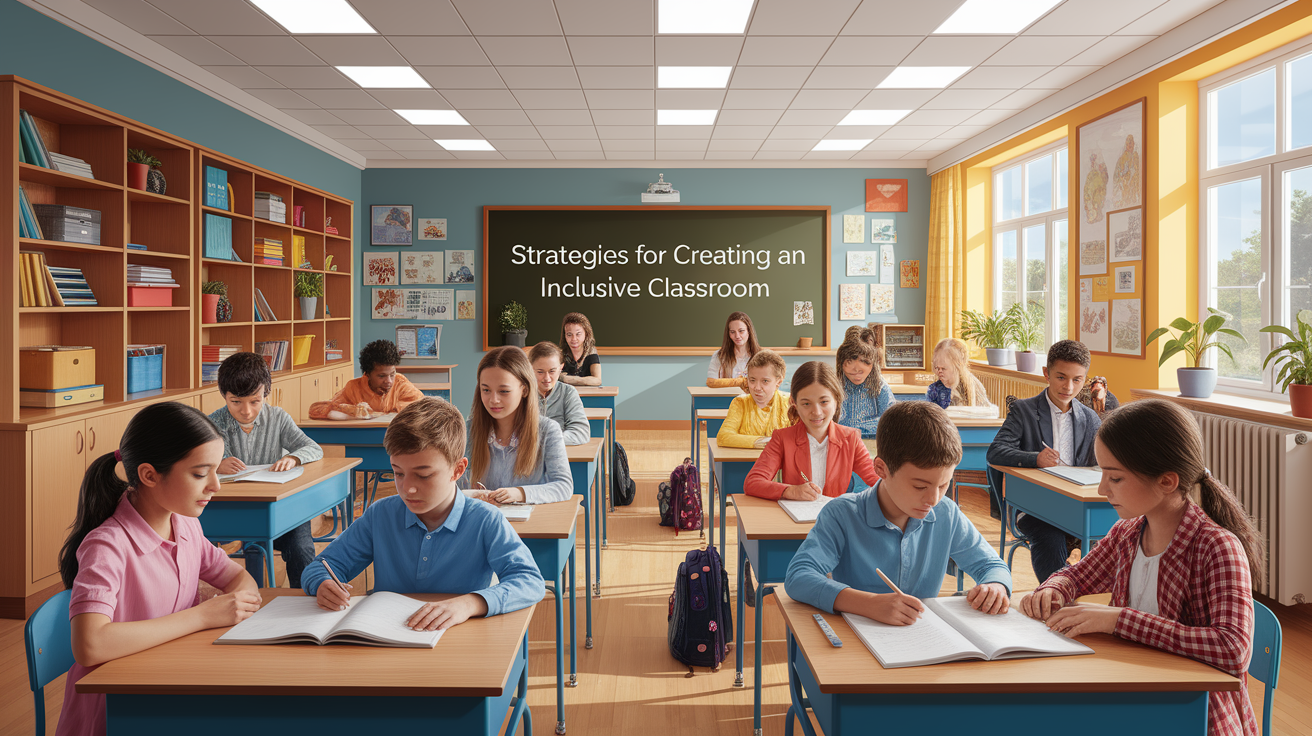
Strategies for Creating an Inclusive Classroom
Ready for some practical magic? Let’s explore strategies that transform good intentions into inclusive action!
Differentiated Instruction: The Heart of Inclusion
Differentiation isn’t just a buzzword—it’s our superpower! By varying content, process, and product based on students’ readiness, interests, and learning profiles, we can reach everyone. Inclusive schools benefit all children through differentiated instruction that meets learners where they are.
Try creating learning stations that offer multiple ways to engage with material, or provide choice boards that allow students to demonstrate their understanding in ways that play to their strengths. Remember: fair isn’t everyone getting the same thing; fair is everyone getting what they need!
Universal Design for Learning (UDL)
UDL is like designing a building with ramps from the beginning rather than adding them later—it’s proactive, not reactive! This framework helps us create lessons that work for everyone by providing:
- Multiple means of engagement (the “why” of learning)
- Multiple means of representation (the “what” of learning)
- Multiple means of action and expression (the “how” of learning)
When we plan with universal design in mind, accommodations become seamlessly integrated rather than afterthoughts.
Culturally Responsive Teaching
Our students’ cultural identities are treasures, not obstacles! Culturally responsive teaching recognizes the importance of including students’ cultural references in all aspects of learning. This means selecting diverse texts, celebrating various cultural perspectives, and creating space for students to share their unique experiences.
By building inclusive environments that engage all learners, we’re showing students that their identities matter in our classroom and in the world.
Tools and Resources for Teachers
Let’s fill our inclusive teaching toolbox with resources that make differentiation doable and inclusion inspiring!
Assistive Technology
Technology can be the great equalizer in our classrooms! From text-to-speech software and speech recognition tools to visual schedules and noise-cancelling headphones, assistive technology removes barriers to learning. Many of these tools follow accessibility principles that benefit all students, not just those with identified needs.
The beauty of today’s digital landscape is that many accessibility tools are built right into the devices we already use. Take some time to explore the accessibility features on your classroom devices—you might be amazed at what’s already available!
Professional Development Resources
None of us learned everything we need to know about inclusive education in our teacher preparation programs. Thankfully, resources about inclusive classrooms are abundant and often free!
Consider joining professional learning communities focused on inclusive practices, attending workshops on Universal Design for Learning, or participating in book studies about culturally responsive teaching. Remember: growing our inclusive practice is a journey, not a destination!
Collaborative Support Systems
You don’t have to do this alone! Special education teachers, speech therapists, school psychologists, and other specialists can be wonderful collaborative partners. Building strong teacher-student relationships and implementing differentiated instruction becomes more manageable when we work as a team.
Schedule regular collaboration meetings, share strategies that work for specific students, and observe each other’s teaching. The collective wisdom of an educational team far exceeds what any of us can accomplish alone!
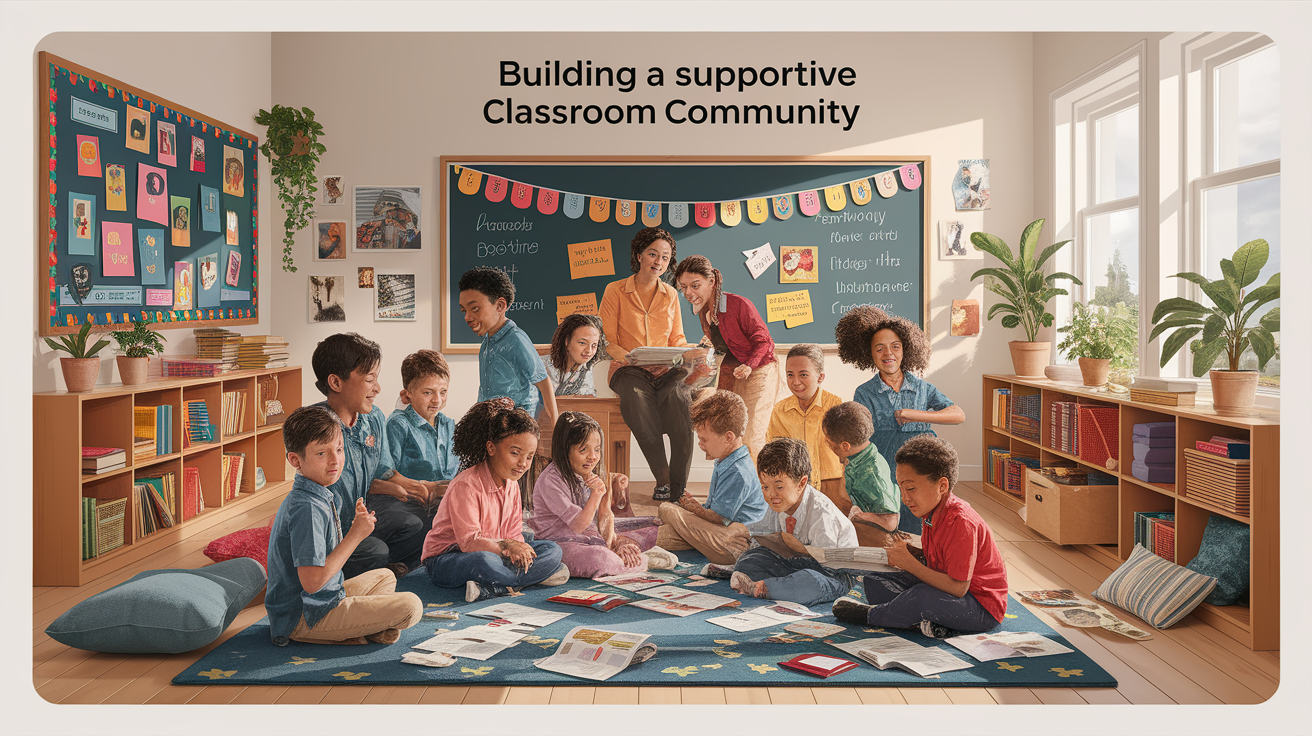
Building a Supportive Classroom Community
An inclusive classroom is built on relationships—between teacher and students, and among students themselves. Let’s explore how to create that foundation of belonging!
Morning Meetings and Community Circles
Starting the day with activities that build community sets the tone for inclusive interactions. Morning meetings, community circles, and class meetings provide structured opportunities for every voice to be heard and valued.
These gatherings can include greetings in multiple languages, sharing opportunities that follow clear guidelines for respectful listening, and collaborative problem-solving about classroom issues. When students feel heard, they’re more likely to engage fully in learning.
Explicit Teaching of Social Skills
Some students come to us already knowing how to navigate social interactions, while others need direct instruction. Teaching skills like active listening, conflict resolution, and empathy benefits everyone in the classroom community.
Social-emotional learning isn’t an extra—it’s essential! Inclusive education promotes academic, social, and emotional growth that prepares students for success in school and beyond.
Celebrating Diversity Authentically
Move beyond the “tourist approach” to diversity (focusing only on foods, festivals, and famous people) to authentically celebrate the rich diversity in your classroom. Create opportunities for students to share their identities, perspectives, and experiences in meaningful ways.
Remember that representation matters! Ensure your classroom library, wall displays, and curricular materials reflect diverse identities and experiences so all students can see themselves—and learn about others—in your classroom.
Evaluating and Reflecting on Inclusivity
How do we know if our inclusive practices are working? Reflection and evaluation are key!
Student Voice and Feedback
Our students are the experts on their own experiences, so let’s ask them! Regular check-ins, surveys, and focus groups can provide valuable insights about how inclusive our classrooms really feel to the people who matter most.
Create safe channels for students to share when they don’t feel included or when classroom practices aren’t working for them. Their feedback is a gift that helps us grow!
Data-Based Decision Making
While the feeling of belonging is important, we also need to look at concrete data. Are all student groups making academic progress? Is attendance consistent across different populations? Are discipline referrals equitably distributed?
Disaggregating data helps us identify patterns and address systemic inequities in our classroom practices. When we notice discrepancies, we can adjust our approaches to better meet all students’ needs.
Professional Self-Reflection
Inclusive education requires ongoing self-reflection about our own biases, assumptions, and areas for growth. Consider keeping a teaching journal, recording lessons for self-review, or inviting trusted colleagues to observe and provide feedback.
Questions like “Who participated actively today?” and “Whose voices weren’t heard?” can reveal patterns that help us become more intentionally inclusive teachers.
Overcoming Challenges in Inclusive Education
Let’s be honest—creating truly inclusive classrooms isn’t always easy! Acknowledging challenges is the first step toward addressing them.
Time and Resource Constraints
The reality of limited planning time, large class sizes, and resource constraints can make differentiation feel overwhelming. Start small! Choose one subject or one instructional block to focus your inclusive efforts, then gradually expand as strategies become routine.
Remember that many inclusive practices, once established, actually save time by preventing behavior issues and reducing the need for re-teaching. Research on inclusive education shows that the initial investment of time and resources pays significant dividends in student outcomes.
Balancing Diverse Needs
Sometimes it feels like we’re being pulled in a dozen different directions trying to meet everyone’s needs simultaneously. This is where flexible grouping, station teaching, and peer supports become invaluable strategies.
Prioritize high-leverage practices that benefit multiple students rather than trying to implement a different approach for each learner. And don’t forget—students can be amazing resources for each other when we structure collaborative learning thoughtfully!
Addressing Resistance
Resistance to inclusive practices can come from colleagues, families, or even students themselves. Approach these conversations with empathy, remembering that resistance often stems from fear, misunderstanding, or concerns about change.
Share success stories, provide research about the benefits of inclusion, and invite stakeholders to observe inclusive practices in action. Seeing is believing!
The Future of Inclusive Classrooms
As we look ahead, what exciting developments are on the horizon for inclusive education?
Technology and Accessibility
Emerging technologies are making inclusive practices more accessible than ever before! Artificial intelligence, virtual reality, and adaptive learning platforms offer promising tools for personalizing education without overwhelming teachers.
The best part? Many of these technologies follow universal design principles that benefit all learners, not just those with identified needs. The future is accessible!
Shifting from Accommodation to Design
The future of inclusive education involves moving from a mindset of accommodating differences to designing learning experiences that anticipate and welcome diversity from the start. This shift represents the maturation of our understanding of inclusive practice.
As inclusive schools create welcoming environments by design rather than adaptation, all students benefit from more thoughtful and flexible educational experiences.
System-Wide Integration
The most exciting vision for the future involves breaking down the artificial barriers between general and special education to create truly unified systems that serve all students well. This integration is already happening in innovative schools around the world!
When specialized expertise becomes embedded within general education settings, both students and teachers benefit from stronger support systems and more collaborative approaches.
Conclusion: The Path Forward
Creating inclusive classroom environments isn’t just about implementing strategies—it’s about embracing a mindset that sees diversity as an asset rather than a challenge. When we truly believe that every student belongs and can succeed, our practices naturally evolve to make that vision reality.
Remember that perfection isn’t the goal—progress is! Each step toward greater inclusivity makes a difference in students’ lives and learning. As you try new approaches, celebrate successes, learn from challenges, and keep moving forward with determination and joy.
Together, we’re building classrooms where every student can thrive—and there’s no work more important than that!