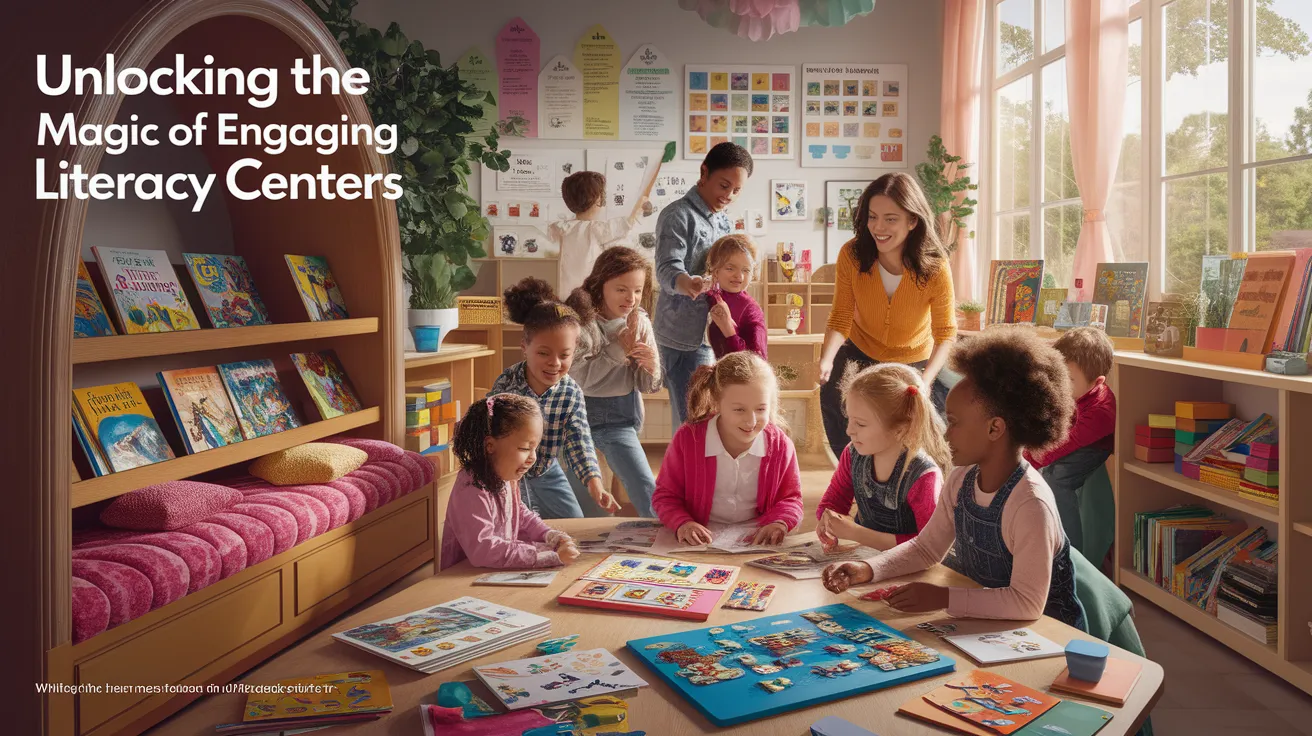
Hello, fellow literacy enthusiasts! As a teacher who’s spent countless hours watching the lightbulb moments happen in my classroom literacy centers, I’m thrilled to share some magical insights with you today. There’s nothing quite like the buzz of engaged learners discovering the joy of reading and writing in a space designed just for them!
Whether you’re a literacy center novice or looking to breathe new life into your existing stations, this guide will help you create learning spaces that not only teach essential skills but also spark genuine excitement about literacy. Let’s dive in and discover how to make your classroom corners come alive with literacy love!
The Essence of Engaging Literacy Centers
Literacy centers aren’t just physical spaces in your classroom—they’re vibrant ecosystems of learning! These designated areas are where the magic of independent exploration meets structured skill development. According to the World Literacy Foundation, literacy centers create individualized learning environments that highlight essential skills like comprehension and fluency.
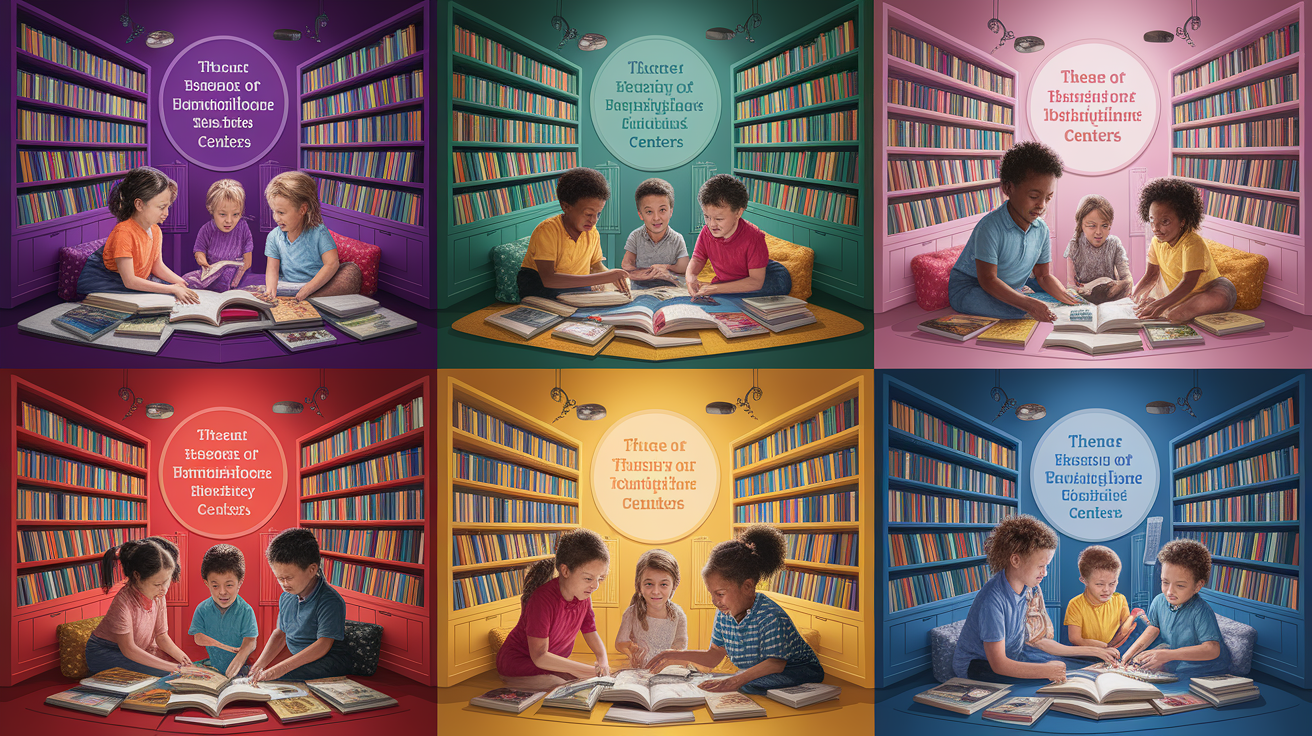
At their heart, literacy centers are physical and social contexts for learning where students work independently, in pairs, or small groups. They provide the perfect backdrop for differentiated instruction, allowing you to offer small-group support while other students engage in meaningful literacy practice.
The beauty of literacy centers? They’re naturally balanced, joyfully active, and yes—sometimes louder than traditional classroom setups! But don’t let the happy hum fool you—serious learning is happening. As literacy expert Debbie Diller notes, these work stations create opportunities for students to practice and extend literacy learning in authentic ways.
Designing Your Literacy Centers
Ready to roll up your sleeves and create literacy center magic? The design phase is where your teaching creativity gets to shine! When setting up your stations, think like an interior designer with a pedagogical twist—form AND function matter here!
Start by mapping out your classroom space. Where will each center live? Consider traffic flow, noise levels, and access to materials. Your listening center might need a quieter corner, while your collaborative writing center could thrive in a more central location.
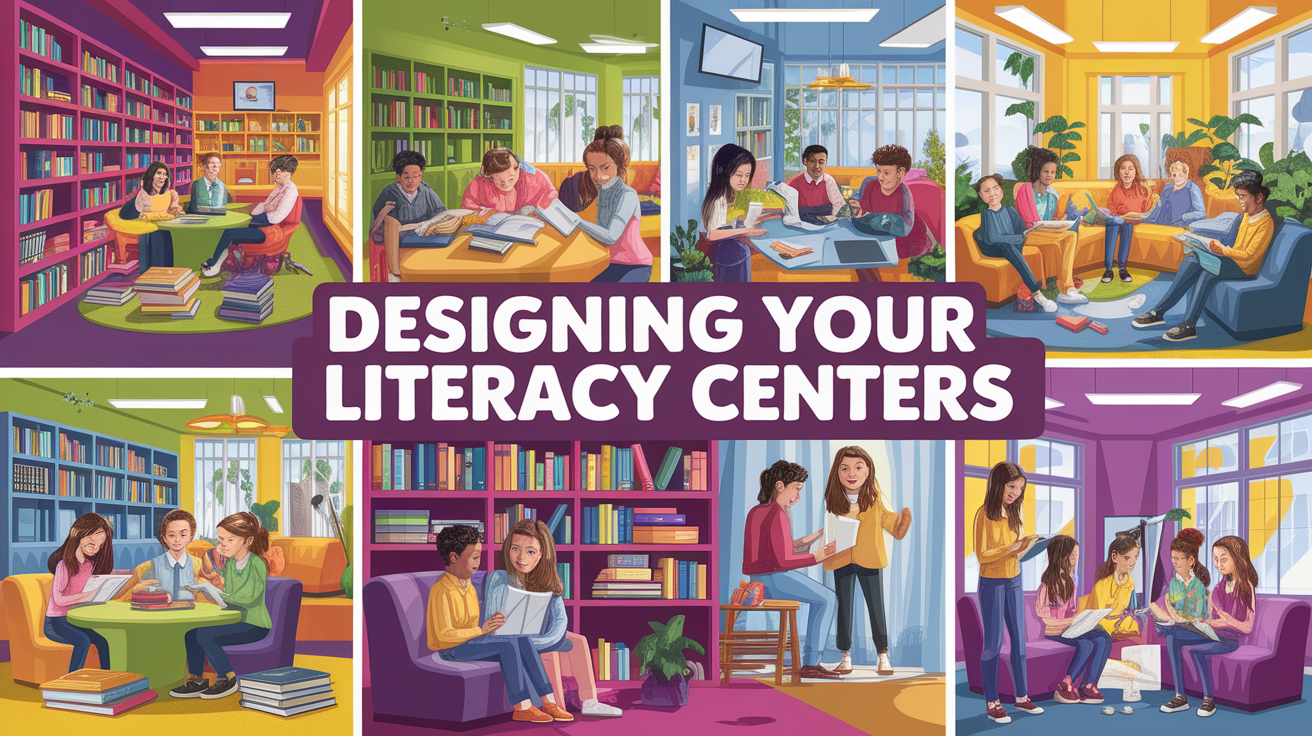
When stocking your centers, variety is the spice of literacy life! The experts recommend well-stocked centers with diverse books and materials that connect reading and writing experiences. Think beyond just books—include manipulatives, games, and even technology options.
Here’s my teacher-tested tip: Create clear visual guides for each center. Colorful charts showing “I Can” statements help students understand expectations and promote that wonderful independent learning we’re aiming for. And remember—you don’t need to break the bank! Start with what you have, then gradually add materials as you see what engages your specific group of learners.
Essential Components of a Literacy Center
Every stellar literacy center environment includes certain must-have components. Let’s explore the essential elements that make literacy stations truly effective!
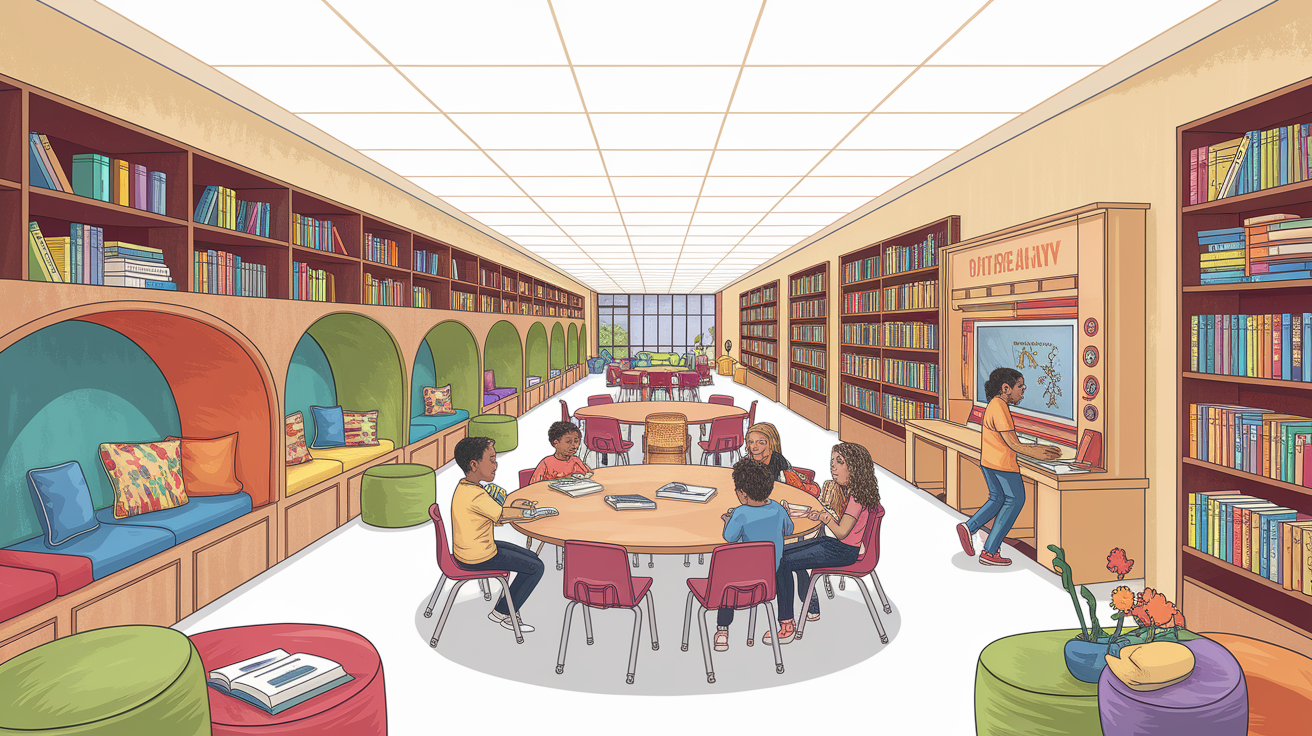
A balanced literacy center approach includes:
- Reading Center: Stock this area with books at various levels, comfortable seating, and comprehension tools like graphic organizers or question cards. Independent reading with teacher support builds confidence and fosters a love of books.
- Writing Center: Provide varied paper types, writing tools, word walls, and inspiring prompts. Students can create everything from stories to letters to poems—the sky’s the limit!
- Word Work Station: This is where students explore phonics, vocabulary, and spelling through hands-on activities. Magnetic letters, word sorts, and vocabulary games make skill practice feel like play.
- Listening Center: As highlighted by ReadWriteThink, audio stories paired with books help students connect oral and written language. Add headphones, recorded books, and response activities for maximum impact.
- Technology Station: Digital tools can enhance traditional literacy activities. Consider using apps for skill practice or platforms like Flipgrid or Seesaw for students to demonstrate learning creatively.
Remember, each center should have clear directions, organized materials, and opportunities for students to track their own progress. The advantages of well-designed literacy centers include reinforcing specific skills like phonics and fluency in focused sessions while fostering independence and responsibility.
Strategies for Sustaining Engagement
Let’s be honest—even the most beautifully designed literacy centers will lose their sparkle if the activities grow stale! Keeping engagement levels high requires a dash of teacher creativity and a sprinkle of strategic planning.
One game-changing approach is incorporating student choice whenever possible. The research is clear that giving students agency through choice enhances engagement and builds confidence. Try offering “must-do” and “may-do” activities at each center, letting students choose their path after completing essentials.
Another engagement superpower? Multimodal instruction! When literacy activities engage multiple senses and learning styles, they naturally hook more students. Think tactile word building, visual story mapping, and audio-enhanced reading experiences.

Managing center rotations effectively is key to sustained engagement. Create a visual rotation system that students can follow independently, and consider timing that matches your students’ attention spans—typically 10-15 minutes per center for younger students and slightly longer for upper elementary.
My favorite engagement booster? Integrate students’ interests and cultures into your center activities. When that dinosaur-obsessed student finds dinosaur-themed books and writing prompts, or when your culturally diverse classroom sees their backgrounds reflected in center materials, the connection to learning deepens beautifully.
Assessing and Adapting Your Literacy Centers
The most magical literacy centers are living, breathing entities that evolve based on your students’ needs and progress. How do you know if your centers are truly working their magic? Observation and assessment are your trusty teacher tools!
During center time, use strategic observation to gather assessment data. A simple clipboard with notes on student engagement, skill application, and collaboration provides invaluable insights. This assessment opportunity allows you to see authentic learning in action.
Don’t be afraid to adapt centers mid-stream if something’s not working! When I notice a center gathering dust or causing confusion, it’s a clear signal to revamp and refresh. Sometimes this means simplifying directions, sometimes it means increasing the challenge level, and sometimes it means completely reimagining the activities.
For differentiation that truly meets diverse learner needs, consider tiered activities within each center. The literacy research shows that adapting activities for different learning levels leads to improvements in independence, accountability, and overall literacy skills.
And remember—adaptation works across grade levels too! Whether you’re creating centers for emerging readers in preschool or adapting the concept for secondary classrooms, the principles of engagement, independence, and skill-building remain consistent.
Conclusion: The Journey to Literacy Success
Fellow literacy champions, creating engaging literacy centers isn’t a destination—it’s a journey we take alongside our students! Each class brings new personalities, interests, and needs, making our literacy center adventure a continuously evolving story.
As you embark on or enhance your literacy center implementation, remember that perfection isn’t the goal—progress is. Start small, celebrate wins (both yours and your students’), and build your confidence alongside theirs. The increased independence and student autonomy you’ll witness makes every minute of planning worthwhile.
The true magic of engaging literacy centers isn’t just in the colorful materials or clever activities—it’s in the moment a struggling reader finds success, a reluctant writer discovers their voice, or a shy student builds confidence through collaboration. These moments of literacy growth are your teacher gold, and well-designed centers help mine that precious resource every day.
So go forth and create those literacy spaces where learning shines! Your students are waiting to discover the joy, power, and endless possibilities that literacy brings to their lives—and you get to be their guide on that incredible journey. Happy teaching!