Launching into Project-Based Learning
Hello, fellow educators! Ready to transform your classroom into a buzzing hive of curiosity and creativity? Project-Based Learning (PBL) isn’t just another educational buzzword—it’s a game-changer that puts students in the driver’s seat of their learning journey!
When I first dipped my toes into the PBL waters, I felt like I was learning to swim all over again. But trust me, once you get the hang of it, you’ll wonder how you ever taught any other way! The beauty of PBL lies in its core principles: meaningful tasks that challenge students, genuine engagement in the learning process, authentic contexts for application, and comprehensive assessment of both process and product.
Think of launching PBL like planning an expedition: you need a compelling destination (your driving question), a map (your project structure), and the right supplies (resources and support). The journey might have unexpected twists and turns, but that’s where the real learning happens!

Getting started doesn’t have to be overwhelming. Consider these friendly first steps:
- Observe other PBL classrooms or connect with experienced practitioners
- Start small with a mini-project that spans just a week
- Identify curriculum areas where students consistently struggle—these often make perfect PBL opportunities!
- Remember that your first attempt doesn’t need to be perfect (mine certainly wasn’t!)
The magic of PBL happens when we create space for students to explore complex questions, collaborate meaningfully, and develop solutions to real-world problems. As you embark on this adventure, remember that you’re not just teaching content—you’re fostering critical thinking, collaboration, and real-world application that will serve your students long after they leave your classroom.
Designing Effective Projects
Designing fantastic PBL experiences is like creating the perfect recipe—you need the right ingredients, proper timing, and a dash of creativity! The most memorable projects start with what I call the “head-scratchers”—those juicy, compelling questions that make students furrow their brows, light up with ideas, and can’t wait to dive in.
Your first mission? Align your projects with curriculum standards and learning goals. This isn’t just bureaucratic box-ticking—it ensures your PBL adventure delivers the academic goods while still being wildly engaging! Try these approaches:
- Identify cross-curricular connections that make learning more integrated
- Map specific tasks to learning objectives
- Use competency-based milestones to track progress
When crafting your driving question, aim for the sweet spot: challenging but achievable, open-ended yet focused, and—most importantly—relevant to your students’ lives. Questions like “How can we design a sustainable garden for our school?” or “What would a monument representing our community’s values look like?” spark curiosity while connecting to standards across multiple subjects.
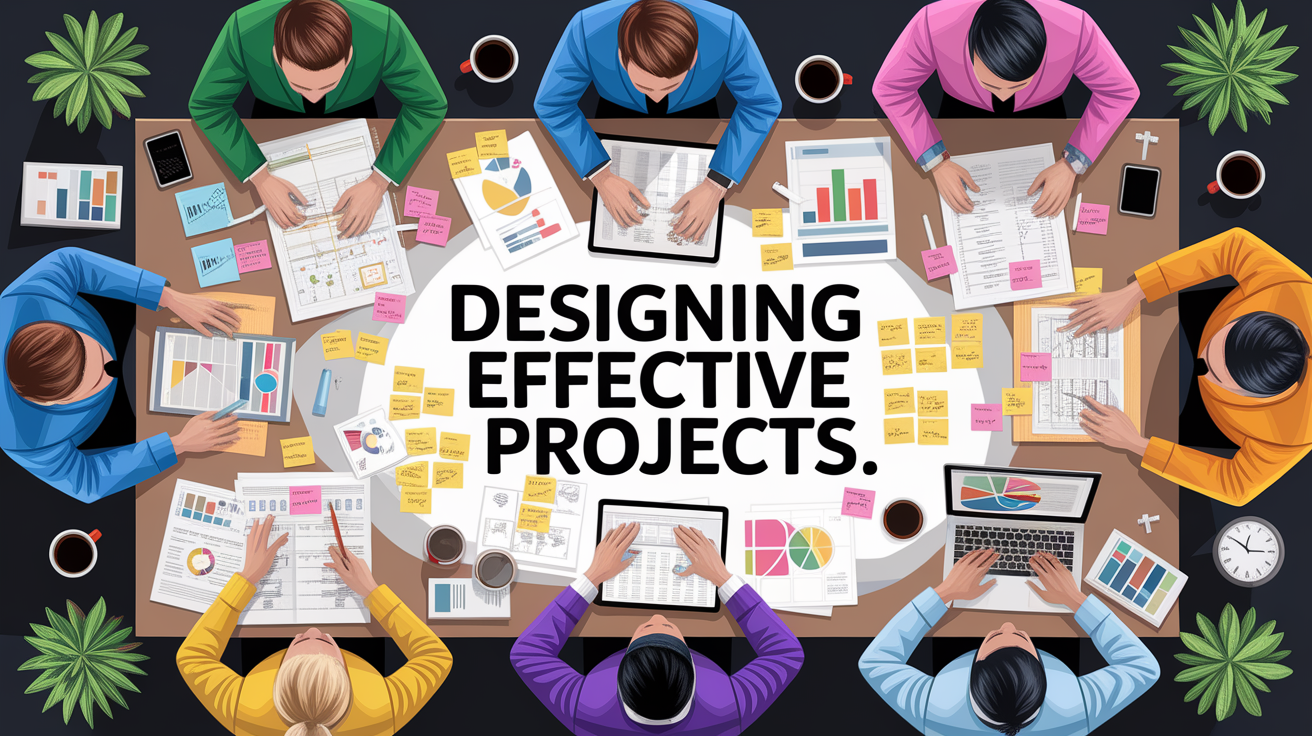
Structure is your friend in PBL! Begin with selecting standards as your foundation, then build outward with clearly defined milestones, checkpoints, and culminating events. I love using a visual project roadmap that students can reference throughout their journey—it builds anticipation and helps everyone stay on track.
Remember to incorporate student voice and choice whenever possible. When my fifth graders were working on their community improvement projects, I provided the framework and learning goals, but they chose which local issues to address. The ownership they felt led to deeper engagement and more creative solutions than I could have imagined!
Don’t forget to plan for resources and materials in advance—nothing deflates enthusiasm faster than hitting a roadblock due to lack of supplies. And consider inviting community experts to provide authentic feedback—my students worked twice as hard knowing real architects would review their design proposals!
Facilitating Student-Centered Learning
Ready for the biggest mind-shift in PBL? You’re no longer the sage on the stage—you’re the guide on the side! This doesn’t mean you’re any less important; in fact, your role becomes even more nuanced and impactful.
The first time I stepped back and watched my students take charge of their learning, I nearly bit my fingernails off! The temptation to jump in and “rescue” them from productive struggle was almost overwhelming. But those moments of figuring things out independently are where the deepest learning happens.
Effective facilitation begins with thoughtful scaffolding that supports all students while maintaining the challenge. I think of scaffolding like training wheels—provide just enough support so students can gain confidence and skills, then gradually remove it as they become more capable.
Here’s how I approach facilitation during PBL:
- Circulate constantly, observing group dynamics and asking probing questions
- Host quick check-ins where students share progress and receive peer feedback
- Provide mini-lessons on specific skills when multiple groups need similar support
- Create “help desks” where students can go for targeted assistance
- Celebrate small victories to maintain momentum
Managing collaboration can be tricky—we’ve all had that group where one student does all the work while others coast! Building a strong collaboration culture requires intentional structures like clear roles, individual accountability measures, and regular reflection on teamwork.

One of my favorite strategies is “huddle and scatter”—brief whole-class check-ins followed by focused work time. This rhythm keeps energy high and allows for just-in-time adjustments when groups hit obstacles.
Technology can be a powerful ally in student-centered learning. Digital collaboration tools, research resources, and creation platforms expand possibilities while developing essential digital literacy. Just be sure the tech serves the learning, not the other way around!
Remember, facilitating doesn’t mean being passive. The most effective PBL teachers are constantly monitoring, supporting, questioning, and coaching—just doing so in ways that keep students in the driver’s seat of their learning journey.
Assessing Project-Based Learning
Let’s tackle the question on every teacher’s mind: “But how do I grade this stuff?!” PBL assessment might look different from traditional tests and quizzes, but it can actually provide richer, more meaningful insights into student learning.
Think of PBL assessment as telling the complete story of student growth, not just taking a snapshot at the end. Formative and summative assessment strategies work together throughout the project to capture both process and product.
My assessment toolbox for PBL includes:
- Clearly defined rubrics that address content knowledge, skills, and collaboration
- Regular check-in conferences to gauge understanding and provide feedback
- Digital portfolios where students document their process and reflections
- Structured peer feedback protocols that teach evaluation skills
- Public presentations that demonstrate learning to authentic audiences
Rubrics are absolute lifesavers in PBL! They clarify expectations, provide a roadmap for excellence, and make grading more objective. I always involve students in understanding (and sometimes even creating) the rubrics before we begin. This transparency eliminates the mystery of “what the teacher wants” and focuses energy on the actual learning goals.
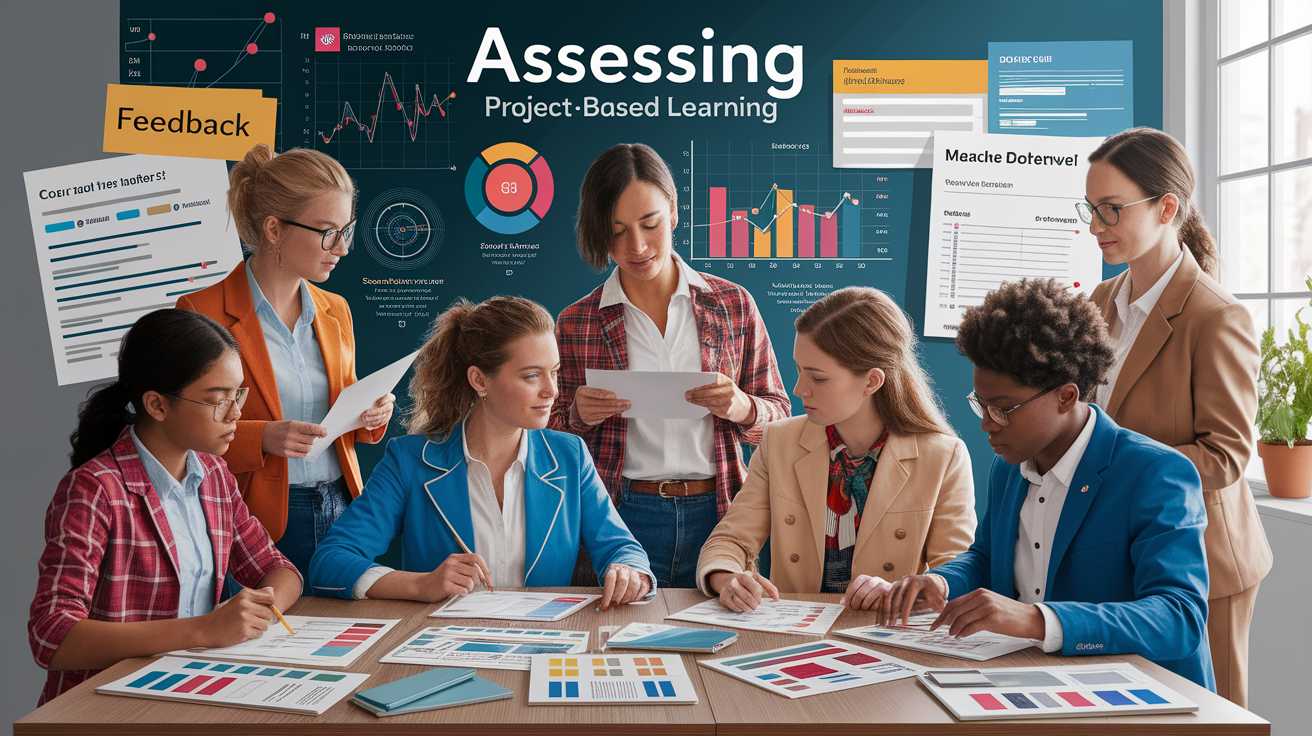
Authentic assessment is the heart of PBL evaluation—measuring not just what students know, but what they can do with that knowledge. When my students created proposals for improving our school’s energy efficiency, their final assessment came from presenting to the school board and answering their questions—talk about motivation to truly master the content!
Don’t forget to assess the “soft skills” that PBL develops so beautifully. Communication, problem-solving, critical thinking, and collaboration deserve dedicated assessment space. I use a combination of observation checklists, peer evaluations, and self-reflections to track growth in these areas.
One of my favorite assessment approaches is having students create “learning journey maps” that document their process from initial questions to final product, including wrong turns and breakthrough moments. These visual representations often reveal learning that even the most detailed rubric might miss!
Reflecting and Iterating
If there’s a “secret sauce” to successful PBL implementation, it’s this: reflection and iteration. These twin practices transform good projects into exceptional learning experiences—and help us grow as educators too!
PBL isn’t a “one-and-done” approach. The magic happens when we create ongoing reflection and revision cycles that normalize continuous improvement. This mirrors how work happens in the real world, where products and processes are constantly refined based on feedback and results.
For students, structured reflection questions help them process their learning:
- What am I most proud of in our project so far?
- What has been my biggest challenge, and how did I address it?
- How is my understanding of [key concept] changing through this project?
- What would I do differently if I could start over?
I schedule these reflection moments throughout the project—not just at the end when it’s too late to apply insights! Quick exit tickets, journal prompts, or even voice recordings can capture thinking without becoming burdensome.
As teachers, we need to model this reflective practice. After my first major PBL unit on community water usage, I realized I’d packed in too many learning targets and not allowed enough time for the research phase. Rather than considering this a failure, I documented these observations and made adjustments for the next implementation. Each iteration gets stronger!
Creating a classroom culture that embraces productive failure is essential. My students know that “first drafts” are expected to need improvement—that’s not a bug, it’s a feature! When a group’s initial design for their wind turbine blades generated barely any electricity, they weren’t discouraged. Instead, they analyzed what went wrong, consulted experts, and created a dramatically improved design.
This iterative approach mirrors the design thinking process used by professionals across disciplines. It teaches resilience, creative problem-solving, and the value of feedback—skills that extend far beyond any single project or classroom.
Conclusion: The Path to Engaging Learning
What an adventure Project-Based Learning can be! As we’ve explored throughout this article, implementing PBL effectively isn’t about perfection—it’s about creating authentic, engaging experiences where students develop deep understanding alongside essential life skills.
Remember, your PBL journey is just that—a journey. Start where you are, embrace the learning curve, and celebrate each small success along the way. Your students will thank you for creating experiences that make learning come alive and prepare them for a world that values problem-solvers, collaborators, and innovative thinkers.
The beauty of PBL is that it grows with you. Each project teaches you something new about facilitation, assessment, and design that makes your next attempt even better. As one of my students once told me, “This doesn’t feel like school—it feels like real life!” And isn’t that precisely the point?
So gather your courage, tap into your creativity, and take that first step into the rewarding world of Project-Based Learning. Your classroom—and your students—will never be the same again!